Wax up a board, climb the steepest dune you can find, and let Erg Chebbi’s golden sand do the rest.
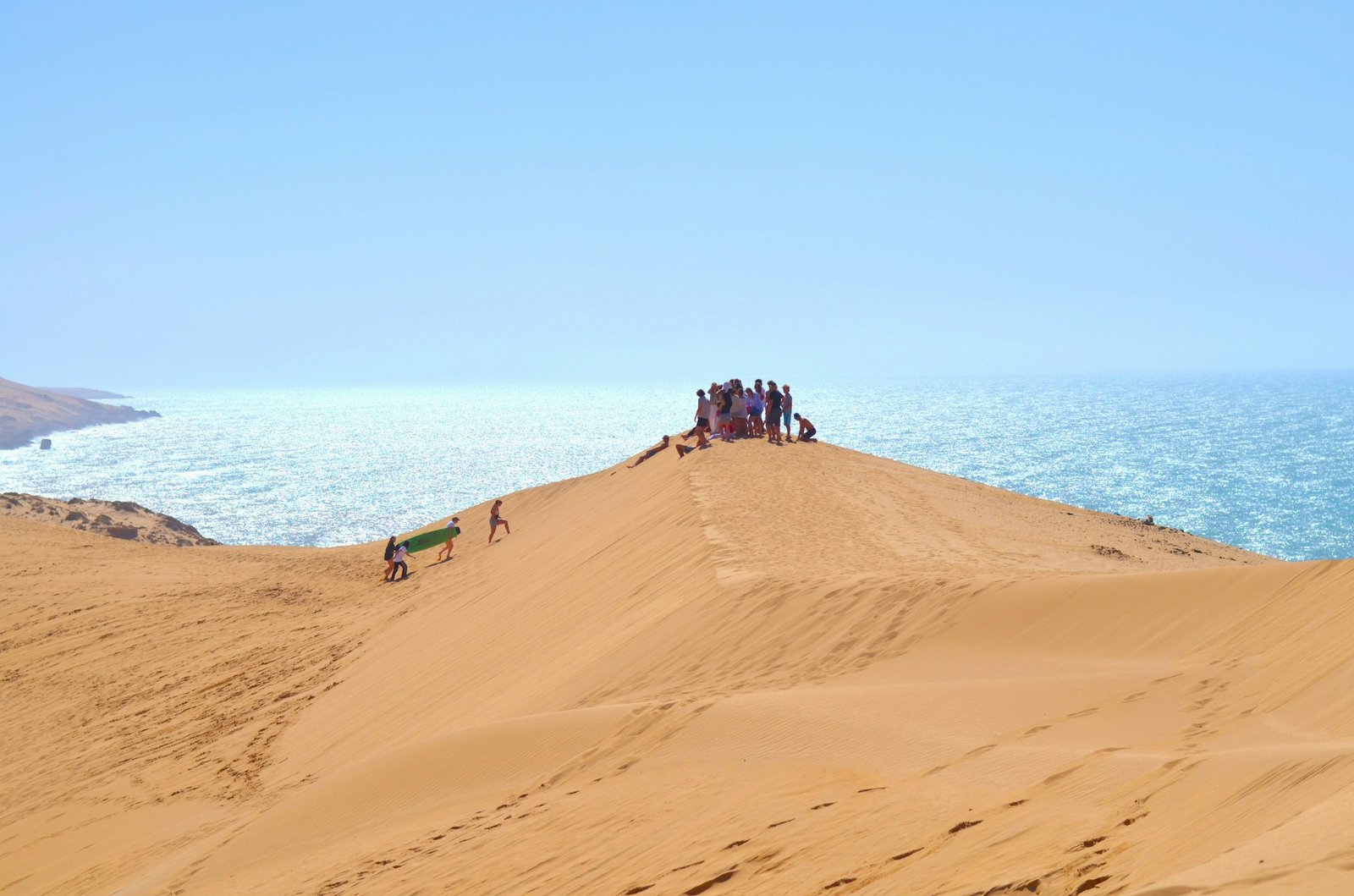
You strap your feet onto a waxed board, aim it down the steep face of an Erg Chebbi dune, and push off, sand spraying behind you as you pick up speed. Sandboarding is the Sahara’s answer to snowboarding — no lift lines, no cold, just a long climb up soft golden sand and a fast, laughing ride back down. Erg Chebbi, the dune field surrounding Merzouga, is Morocco’s tallest and most famous sand sea, with some dunes rising over 150 meters, which makes it the country’s undisputed sandboarding capital.
“The climb is the hard part. The ride down lasts thirty seconds and is somehow worth every step.”
Why Sandboarding is Worth It
Most visitors come to Merzouga for the classic Sahara experience — camel treks, desert camps, sunrise over the dunes — and sandboarding has become a natural add-on that turns a scenic stop into an active one. Because Erg Chebbi’s dunes are so tall and steep, especially compared to smaller dune fields elsewhere in Morocco, they offer genuinely long descents: the tallest dunes can deliver runs fast enough to rival a green ski slope, while shorter dunes in the 20–50 meter range give beginners and kids a gentler introduction.
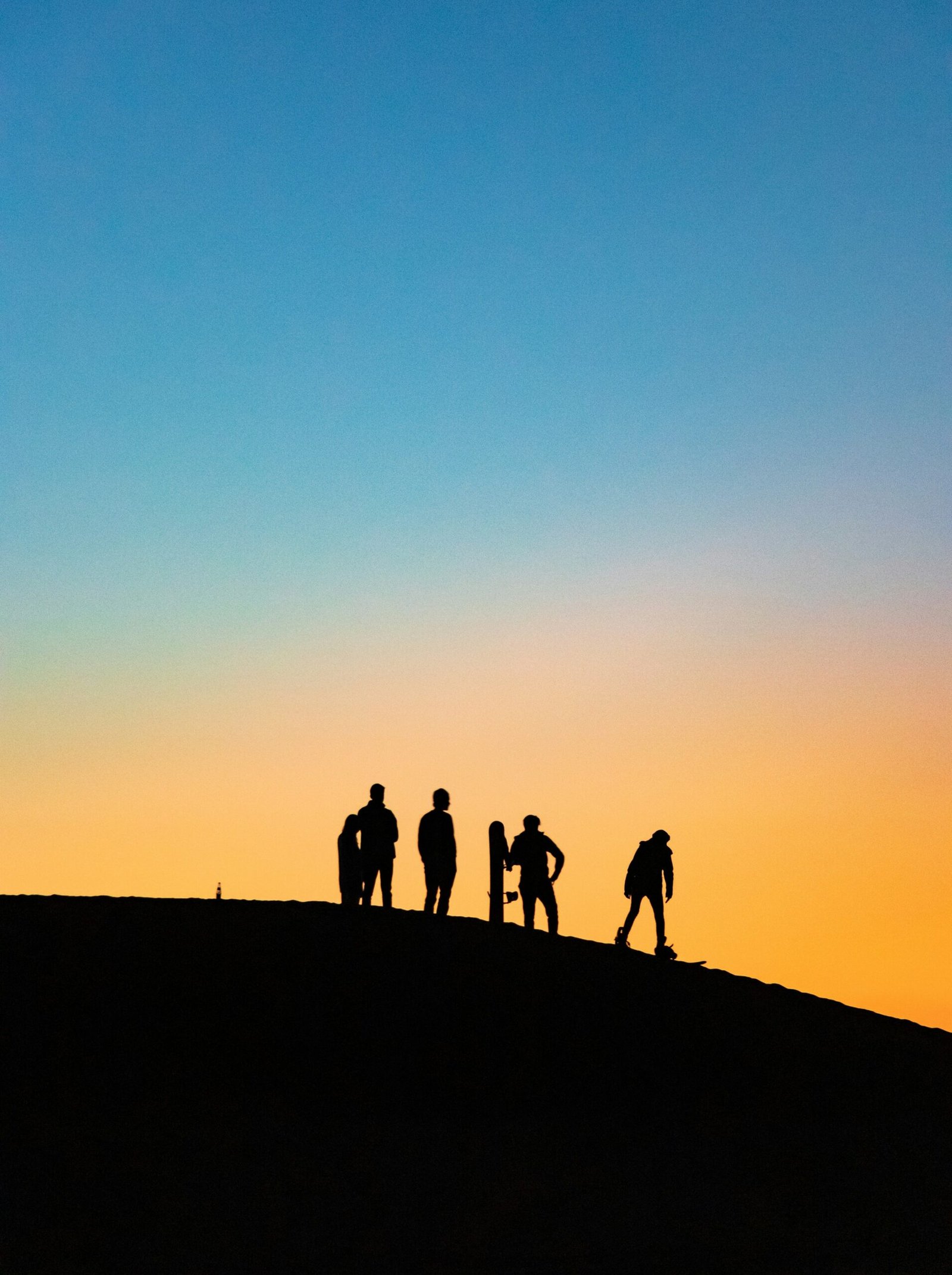
It also requires almost no preparation. Unlike kitesurfing or quad biking, there’s no engine, no wind dependency, and no real technique barrier — anyone who can stand on a board can eventually slide down a dune. Many desert camps include a board or two as part of an overnight stay, so it often costs nothing beyond the climb itself. The setting elevates the whole thing: doing this at sunrise or sunset, when the sand turns amber and the shadows stretch long across the dune field, turns a simple slide into one of the most photogenic moments of a Sahara trip.
What to Expect
- 01
The Climb
There’s no way around it — reaching a good starting point means trudging up soft sand, which is slower and more tiring than it looks. Guides usually pick a dune with a manageable but rewarding slope, and the climb itself becomes part of the experience, especially as the desert opens up below you.
- 02
Waxing the Board and the First Run
Boards are waxed on the underside to help them glide rather than stick to the sand. Beginners typically start seated or lying prone for stability before progressing to a standing stance, similar to snowboarding but with a softer, slower learning curve.
- 03
The Descent
The ride down is short — often 10 to 30 seconds depending on the dune’s height — but fast and exhilarating, with sand flying and momentum building until you either coast to a stop or tumble into a laughing heap. Most people climb back up at least two or three times before calling it a day.
Practical Tips
Sandboarding is almost always arranged through your Merzouga desert camp or a local guide once you’ve arrived; boards are often already on-site. Standalone rentals are available in Merzouga town for those doing it independently.
Closed shoes or sandals with straps (sand gets everywhere), a scarf to cover your face, sunglasses, and water. Expect sand in your shoes, pockets, and hair — dress for it.
Early morning or just before sunset, when temperatures are bearable and the light turns the dunes gold. Midday sand can be uncomfortably hot underfoot.
Standalone sessions run roughly $15–40, but it’s frequently bundled at no extra cost into overnight desert camp packages, which typically range from $60–200 depending on comfort level.
Final Thoughts
Sandboarding is proof that the simplest activities are often the most memorable — no engine, no wind, no lessons required, just a climb up a dune and a fast ride back down. Add it to any Merzouga itinerary, and you’ll walk away with sand in your shoes and a story worth telling.
Keep Exploring Morocco
Planning a Sahara trip? Browse our full destinations guide or discover more desert activities across Morocco.