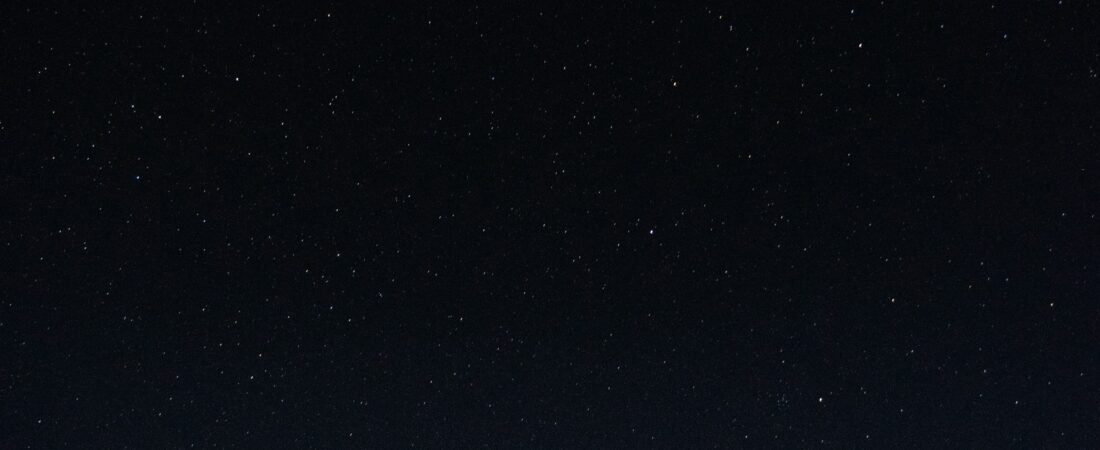
No telescope required — just a dune blanket, a clear Saharan sky, and a stretch of darkness with almost nothing to compete with it.
You lie back on a dune blanket as the last light fades and the Milky Way spreads overhead in a sky untouched by city glow. In the deep desert around Merzouga and Zagora, there is no ambient light for tens of kilometers in any direction, which means the stars don’t just appear — they overwhelm. It is one of the simplest, cheapest, and most quietly profound things to do in Morocco, requiring nothing more than staying somewhere in the desert after dark and looking up.
“You expect to see more stars. You don’t expect the sky to feel this close, or this loud in its silence.”
Why Stargazing is Worth It
Most people live under skies polluted with enough artificial light that the Milky Way is invisible entirely. The Moroccan Sahara is one of the rare places left where that’s not true. Areas around Merzouga and further south near Zagora and M’Hamid El Ghizlane are recognized among the darkest skies in North Africa, with some remote stretches of desert registering among the darkest sky classifications possible and hundreds of clear nights a year. Away from any settlement, the galactic core, shooting stars, and even the zodiacal light become visible to the naked eye in a way that feels almost unreal the first time you see it.
What makes it worth building into a trip isn’t just the astronomy — it’s the setting. Watching the sky change from a desert camp, with a fire nearby, mint tea in hand, and the day’s heat finally breaking into cool night air, turns stargazing into a full sensory experience rather than a checklist item. Many camps and guides layer in the human context too: Amazigh and Sahrawi nomadic communities have navigated and told time by these same stars for centuries, and some guides share basic constellation lore alongside the science. It costs nothing extra beyond staying the night, and it consistently ranks among travelers’ most-remembered moments from a desert trip.
What to Expect
- 01
Sunset Into Darkness
The transition happens fast in the desert — warm orange light fades within twenty or thirty minutes of sunset, and temperatures drop noticeably once the sun is gone. Most camps gather around a fire or communal area as the last light disappears, waiting for the first stars to appear.
- 02
The Sky Fills In
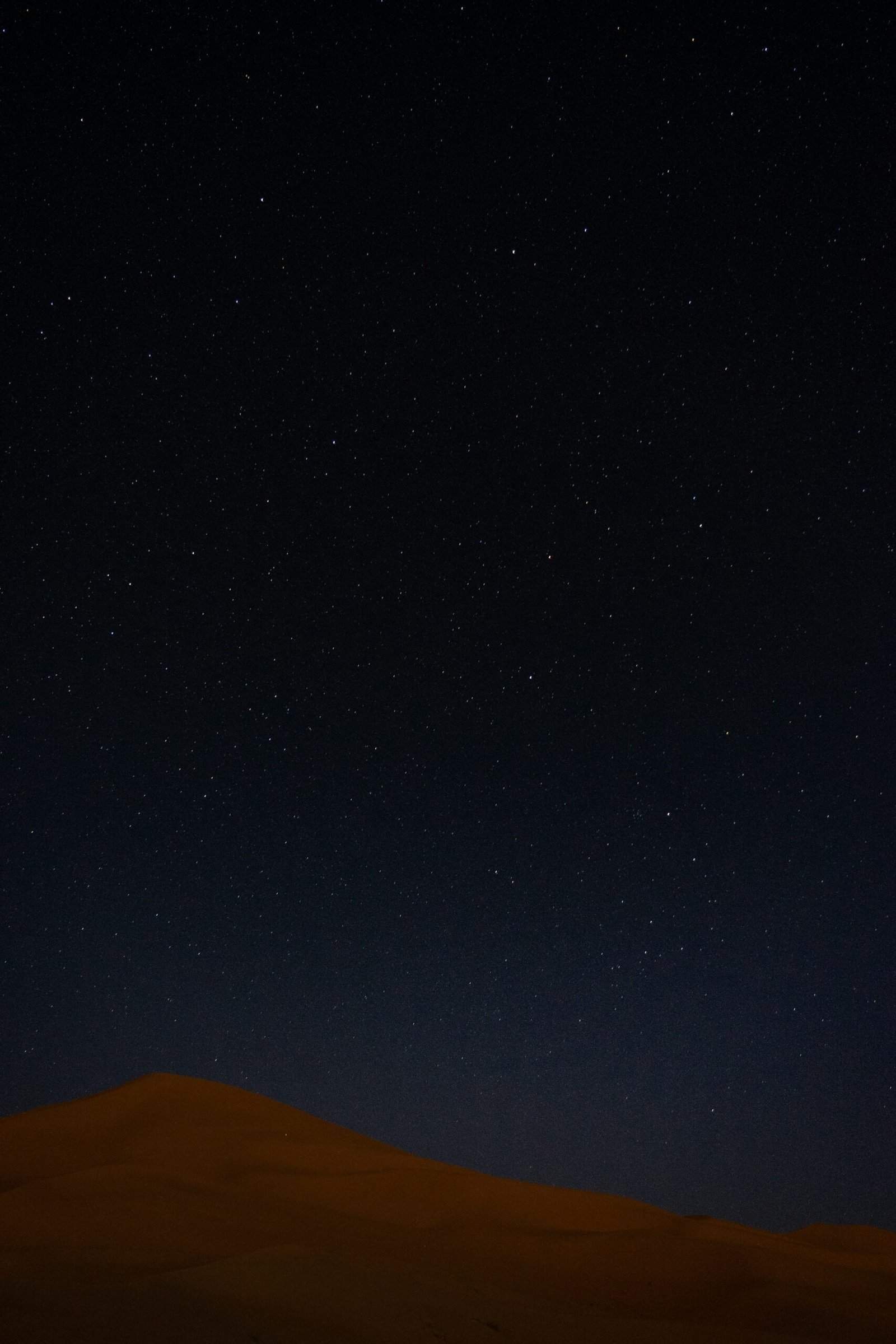
Within an hour of full darkness, with no moon and clear conditions, thousands of stars become visible, far more than most visitors have ever seen at once. Given time for your eyes to adjust fully — twenty minutes or more away from any light source — the Milky Way’s band becomes visible arching overhead, along with the occasional shooting star.
- 03
Lying Back on the Dunes
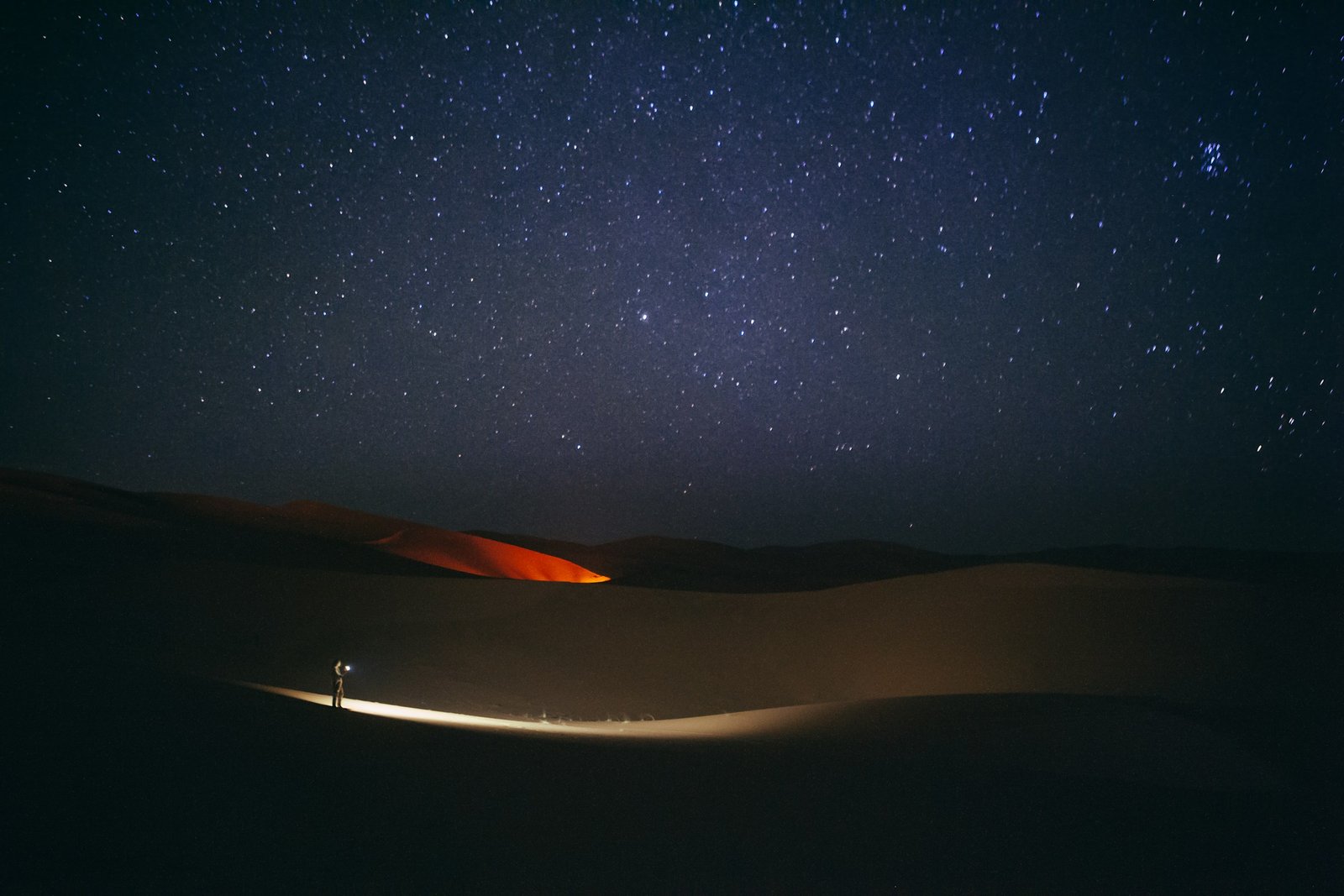
The best part of the experience is often the simplest: walking a short distance from camp, laying out a blanket on the still-warm sand, and lying back to take it all in without any structure at all. Some camps offer basic telescopes or a guide who can point out constellations and planets.
Practical Tips
Stargazing isn’t usually booked separately — it comes as part of an overnight stay at a desert camp in Merzouga or Zagora, arranged through your tour operator or camp directly. Ask specifically about light pollution and moon phase when booking if astronomy is your priority.
A warm layer for after dark (desert nights get cold even in summer), a headlamp with a red-light mode to preserve night vision, and a basic star-chart app for identifying constellations and planets.
A moonless or near-new-moon night gives the darkest sky. For the clearest air and mildest temperatures, aim for October to March; for the Milky Way’s core visible for most of the night, June to August is better, despite the heat.
Stargazing itself is free — it’s included in the cost of an overnight desert camp stay, which typically runs $60–200 per person depending on comfort level (shared Berber tent versus private luxury camp).
Final Thoughts
Stargazing in the Sahara costs nothing extra and requires no skill, yet it’s often the moment travelers remember most vividly from their entire Morocco trip. Stay a night in the desert, walk a little way from the fire, and let your eyes adjust — the sky does the rest.
Keep Exploring Morocco
Planning a desert stay? Browse our full destinations guide or discover more activities to pair with a night under the stars.