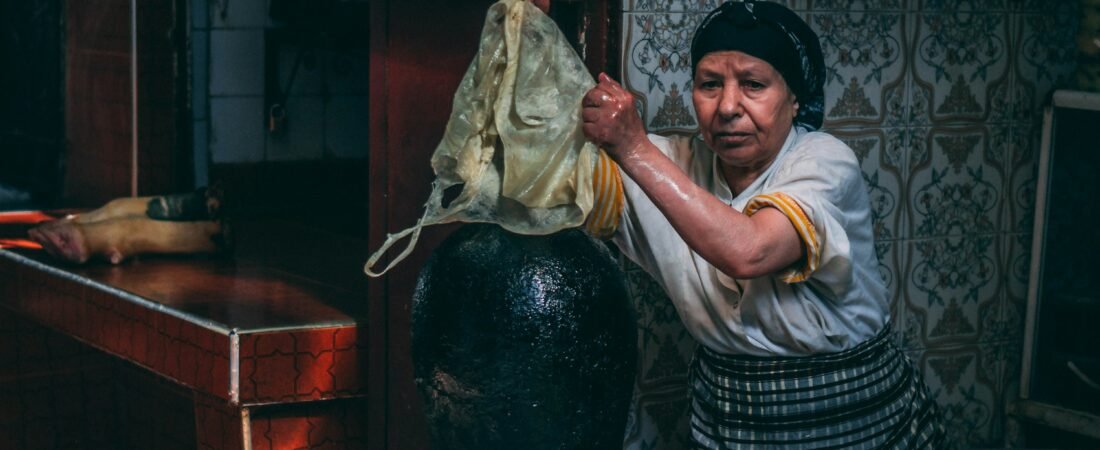
Forget just eating the tagine — this is where you learn to build one, starting with a walk through the souk to pick out the spices yourself.
You’ll shop a local souk for spices and fresh produce, then stand at the stove with a Moroccan chef to build your own tagine layer by layer. It’s part market tour, part hands-on lesson, and by the end you’re sitting down to eat the meal you just cooked with your own hands. No professional kitchen skills required — just an appetite and a willingness to get a little flour on your sleeves.
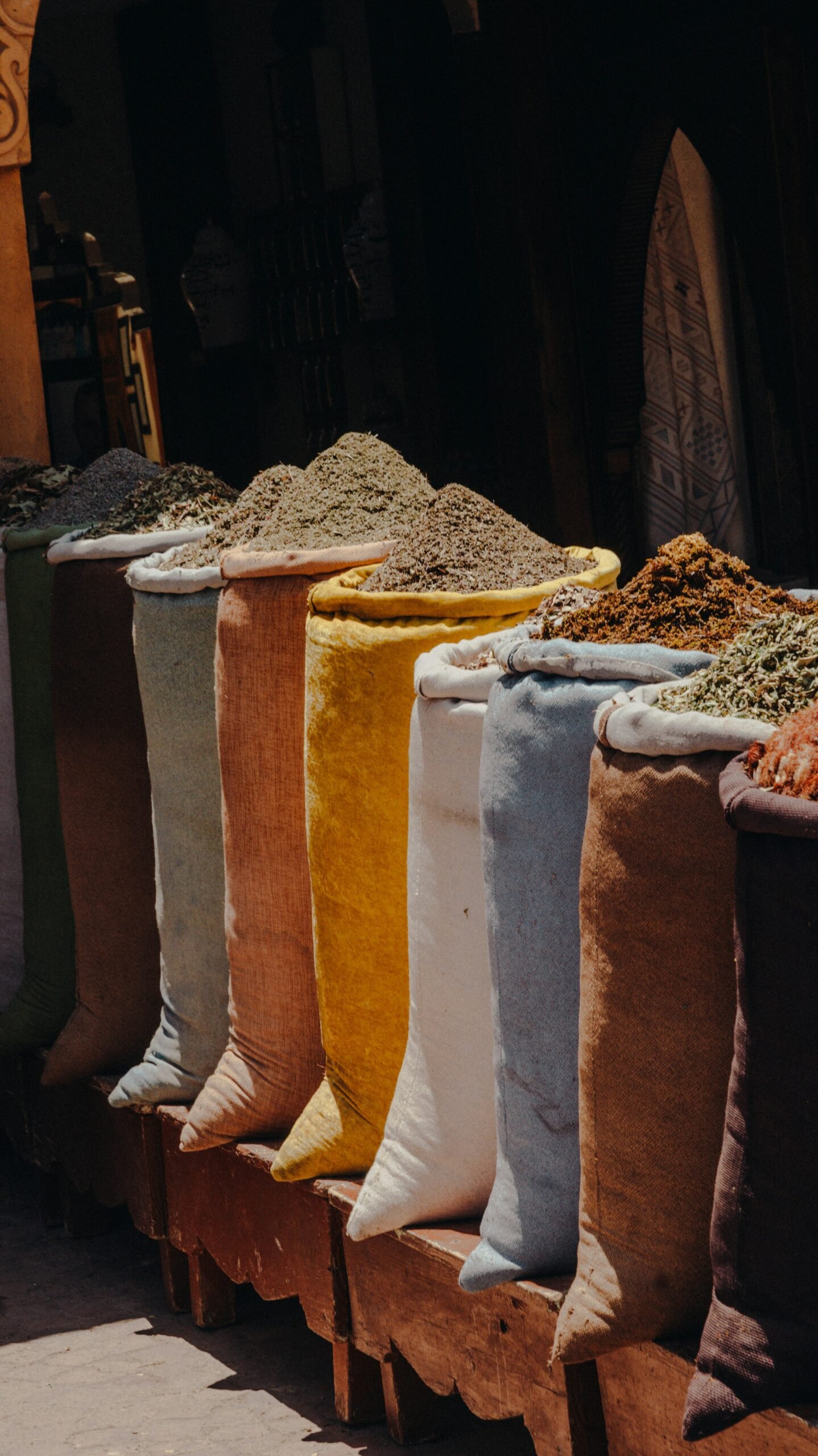
“Long before the pot ever touches the flame, the meal begins in the souk — in the smell of cumin and the color of a hundred spice cones stacked like small mountains.”
Morocco’s food culture is built around slow, communal cooking, and nowhere is that easier to step into as a visitor than a cooking class. Unlike a restaurant meal, a class hands you the raw materials first: fresh coriander still damp from the market stall, preserved lemons, olives sold loose by the kilo, and the spice blends that give Moroccan food its identity — cumin, ginger, turmeric, cinnamon, and the blended spice mix known as ras el hanout. Walking the souk with a guide or chef before you cook demystifies the market for travelers who might otherwise find its narrow lanes and vendor calls overwhelming.
At the stove, the real lesson isn’t really about a recipe — it’s about the tagine as a cooking method. The conical clay vessel that gives the dish its name works by trapping steam and slowly circulating it back over the food, so meat, vegetables, and spices simmer gently for hours rather than being fried or boiled. That slow-cooking tradition is tied closely to Moroccan home life, where large communal meals and shared platters remain the norm. A cooking class compresses that tradition into an afternoon, giving visitors a hands-on feel for a technique that’s normally passed down at home rather than taught in a classroom.
Why a Moroccan Cooking Class is Worth It
Moroccan cuisine has a well-earned international reputation, built on layered spice work, slow braises, and a market culture that turns grocery shopping into an experience of its own. Spice souks in cities like Marrakech and Fes are sensory landmarks in their own right, with vendors selling everything from saffron threads to cumin by the scoop, and a good cooking class uses that market as the first classroom, before you ever pick up a knife.
These classes also give travelers a rare look at home cooking rather than restaurant cooking. Moroccan families have traditionally gathered around one large tagine or platter, eating together with bread instead of individual plates — a communal style that shapes how the food is portioned, seasoned, and served. A class led by a local chef translates that tradition for visitors, explaining not just how a dish is made but why it’s made that way, from the order spices are added to the reason the pot’s lid is never removed while it cooks.
What to Expect
- 01
The Souk Walk
Most classes start with a guided walk through a local market, where you’ll pick out fresh produce, herbs, and spices with your chef. It’s as much a lesson in Moroccan ingredients as it is a shopping trip — you’ll learn to tell cumin from ras el hanout by smell and see how vendors weigh out saffron and dried chilies.
- 02
Hands-On Cooking
Back in the kitchen, you’ll chop, season, and layer your own tagine or other classic dish under the chef’s guidance — no prior cooking experience needed. Expect flour on your hands, spice jars passed around the table, and plenty of explanation about why each step matters.
- 03
Sitting Down to Eat
The class ends the way any good Moroccan meal does — sitting down together to eat what you made, usually with mint tea and bread, and often with the same communal, shared-platter style you’ll see across the country.
Practical Tips
Cooking classes are widely offered through riads and dedicated cooking schools in Marrakech, Fes, and Essaouira. Book a day ahead where possible, especially in high season, since popular classes fill up fast.
Come with an appetite and wear comfortable clothes you don’t mind getting a little messy. Bring some cash if you want to buy extra spices or souvenirs during the souk portion of the class.
Classes run year-round since most of the cooking happens indoors, but a morning class means a cooler, fresher souk visit before the market crowds and midday heat set in.
A standard half-day class runs roughly $25–$50 per person. Some riads offer packages from $80–$90 that pair the cooking class with a hammam or spa session afterward.
Final Thoughts
A Moroccan cooking class turns a meal into a memory you can actually recreate at home. You leave with more than a full stomach — you leave with a feel for the souk, an understanding of how a tagine really works, and a few techniques you’ll be tempted to try again in your own kitchen. Curious about the dish itself, beyond the class? See our guide to Moroccan tagine for more on the recipe and its history.
Keep Exploring Morocco
Planning a longer trip? Browse our full destinations guide for imperial cities, Sahara treks, and Atlantic surf towns, or find more hands-on ideas on our activities page.