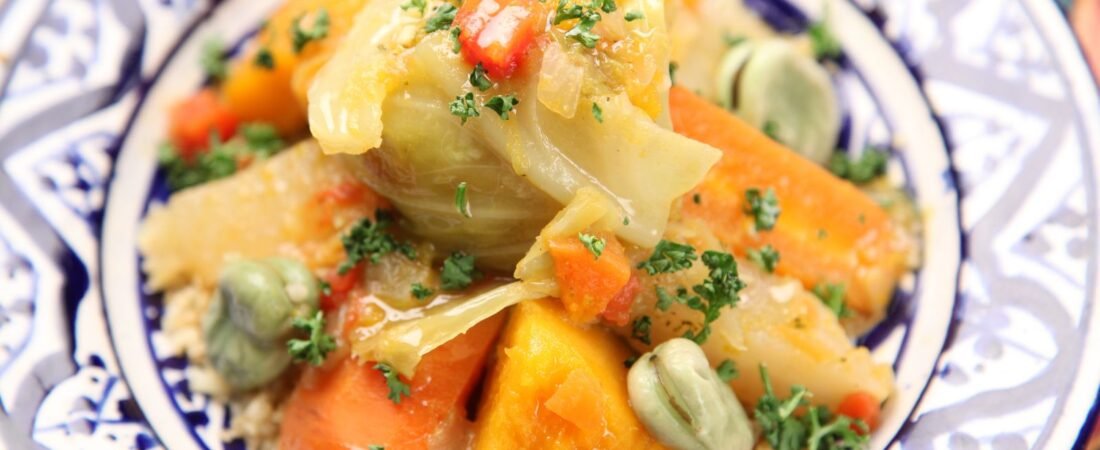
Lift the conical lid and a slow-simmered cloud of cinnamon, saffron, and preserved lemon rises — Morocco’s most iconic dish, explained.
There is a moment in Morocco that stops every food lover in their tracks: the lid of a clay tagine is lifted, and a slow-simmered cloud of cinnamon, saffron, and preserved lemon rises into the air. Whether you are eating in a candlelit riad courtyard in Marrakech, a tucked-away family kitchen in Fez, or a seaside restaurant in Essaouira, the tagine is more than a meal. It is a ritual, a conversation piece, and arguably the most iconic dish you will encounter on your travels. If you are building your culinary itinerary, this Moroccan tagine guide will help you understand what to order, how it is cooked, and why it tastes unlike anything else.
Before you dive in, it helps to understand how food fits into the broader travel experience. Our Complete Morocco Travel Guide covers everything from visas and transport to etiquette and packing, while Best Places to Visit in Morocco pairs each destination with the flavors you are likely to find there.
What Makes Moroccan Tagine Special
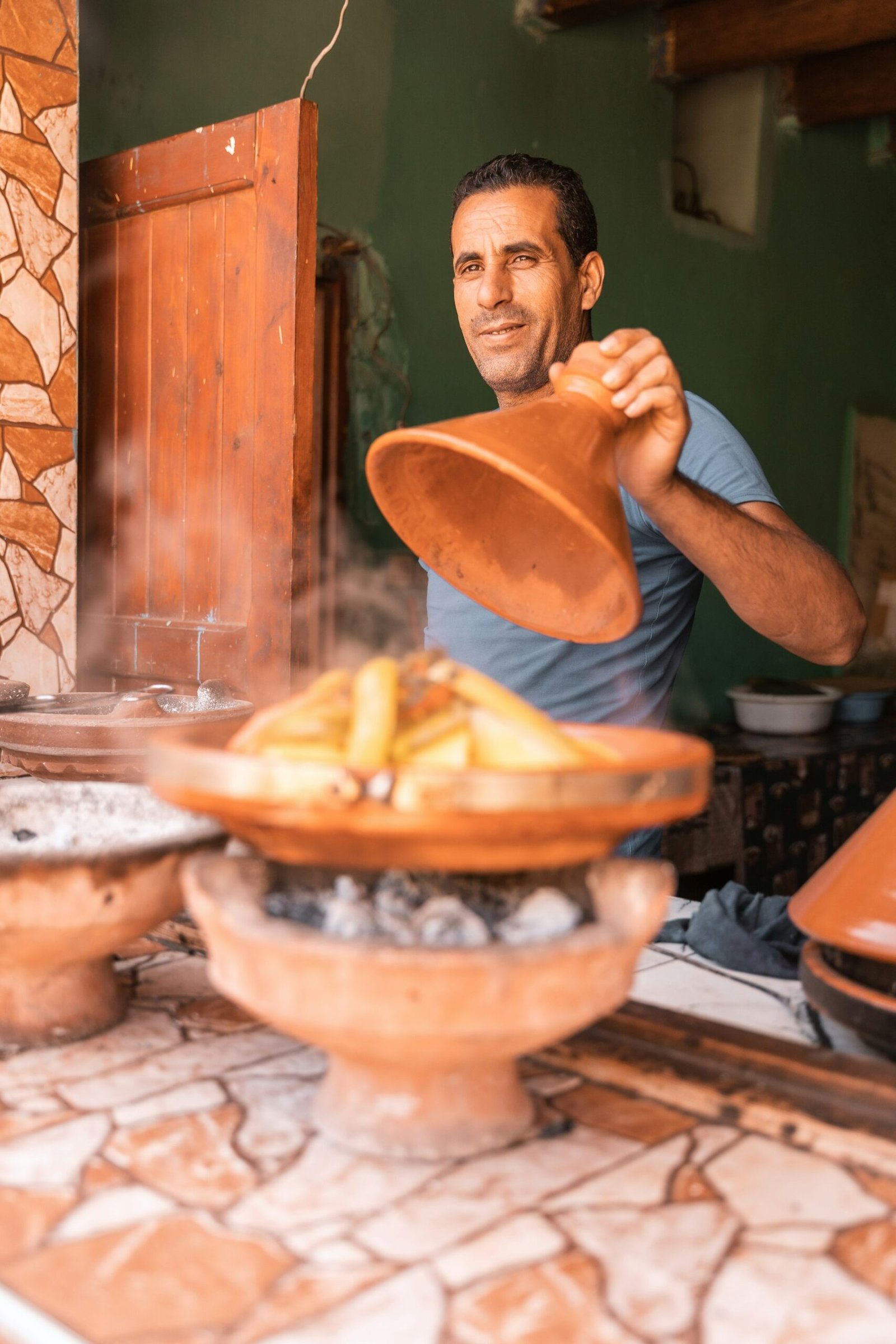
The word tagine refers to both the vessel and the stew inside it. The cooking pot is made from glazed or unglazed clay and has a shallow base and a tall, conical lid. That cone is the secret. As the food cooks, steam rises, hits the cool inner surface of the lid, and drips back down into the base. The result is a gentle, self-basting cycle that keeps meat tender and vegetables succulent after hours over charcoal or a low flame.
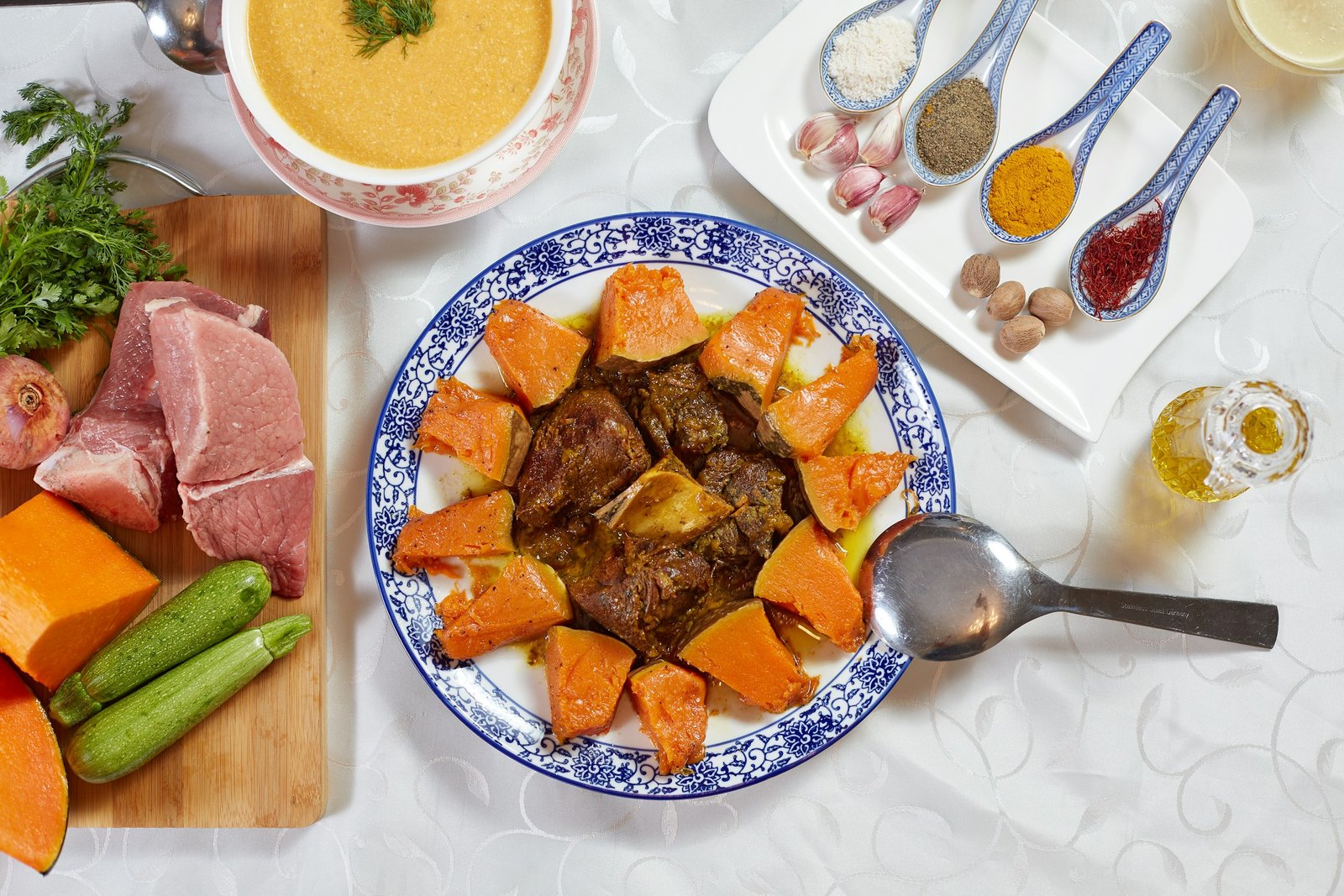
What truly sets a tagine apart, though, is the balance of flavors. Moroccan cooks traditionally layer sweet and savory elements in the same pot. Chicken might simmer with green olives and preserved lemons. Lamb can be cooked with prunes, honey, and toasted almonds. Kefta, seasoned ground beef or lamb, is often topped with eggs poached directly in the spiced tomato sauce. Cumin, ginger, turmeric, paprika, cinnamon, and saffron are the backbone spices, but the exact blend varies by region and by household.
The dish also reflects Morocco’s layered history. Berber communities are credited with the original clay-pot slow-cooking method, while Arab influences brought dried fruits and refined spice routes, and Andalusian and Mediterranean touches added preserved lemons, olives, and olive oil. Today, tagine remains a daily staple and a dish traditionally served at family gatherings, especially on Fridays after prayers.
“The lid of a clay tagine is lifted, and a slow-simmered cloud of cinnamon, saffron, and preserved lemon rises into the air.”
Top Things to Experience
-
01
Order more than one kind
Many visitors try one tagine and think they have covered the category. In reality, the variations are enormous. A chicken tagine with preserved lemon and olives delivers bright, briny notes. A lamb tagine with prunes and almonds is rich, sweet, and warming. A vegetable tagine with chickpeas, carrots, zucchini, and raisins is often the most surprising, with each ingredient retaining its own texture.
-
02
Watch it being cooked
In the medinas of Marrakech and Fez, you can find small restaurants and food stalls where tagines are arranged in rows over charcoal braziers, their conical lids stained black from years of use. The visual theater is part of the experience, and the smell drifting through the alleyways is reason enough to stop.
-
03
Pair it with bread, not utensils
In Morocco, tagine is traditionally eaten communally, with diners using pieces of khobz, a round flatbread, to scoop up sauce and bite-sized pieces. Eating with your right hand is the custom, and sharing from one pot is a sign of hospitality. If you are offered bread first, take it as a welcome.
-
04
Try a regional version
Coastal towns like Essaouira and Agadir often serve fish tagines with tomatoes, peppers, and herbs. In the Atlas Mountains, you may find heartier lamb tagines with local vegetables. The imperial cities tend to offer the most elaborate presentations, often with a decorative crown of caramelized onions, almonds, or sesame seeds.
Practical Tips
A proper tagine takes time to prepare. If a restaurant serves one in five minutes, it was likely reheated. The best places will tell you to wait twenty minutes or longer, which is a good sign.
Moroccan food is aromatic rather than fiery, but some tagines, especially those with harissa or hot peppers, can carry heat. If you prefer milder food, ask for it biladi, or home-style, and request less chili.
Vegetable and chickpea tagines are widely available, but confirm that the stock is meat-free if you are strict. Some restaurants use chicken stock as a base.
A traditional clay tagine makes a beautiful souvenir, but it is fragile and often needs seasoning before use. If you plan to cook with it, ask the seller for instructions, and be aware that decorative tagines are sometimes not food-safe.
Final Thoughts
Eating tagine in Morocco is one of the simplest and most memorable ways to connect with the country’s culture.
The dish is humble, slow, and generous, built on ingredients that have traveled trade routes for centuries. Whether it is your first meal after landing or your last before departure, let it be unhurried. Order a pot of mint tea, tear off a piece of bread, and savor the layers of flavor that make Moroccan cooking so distinctive.
Keep Exploring Morocco
From simmering tagines to timeless medinas, Morocco rewards travelers who slow down and savor every layer.