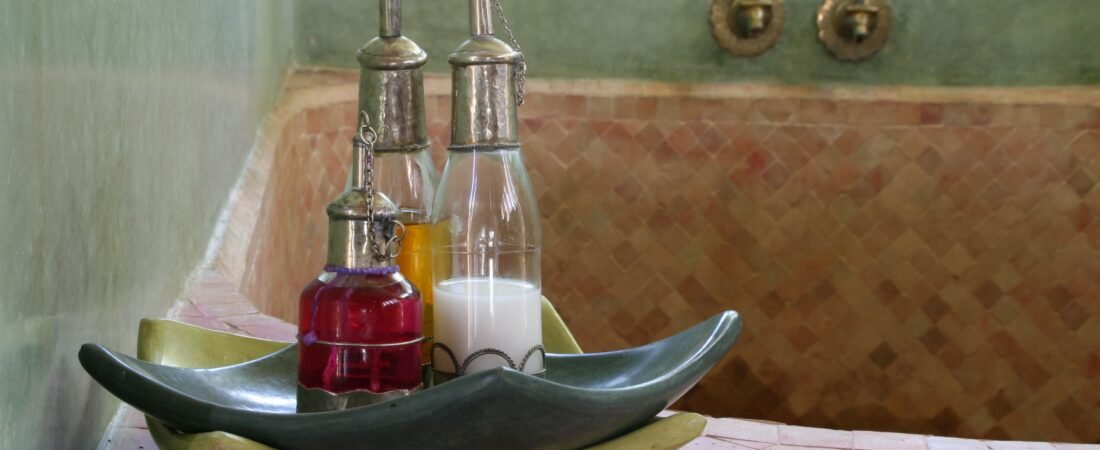
Step past the steam and the scent of eucalyptus into one of Morocco’s oldest living rituals — communal, humbling, and centuries in the making.
There is a moment in a Moroccan hammam when the steam wraps around you like a warm blanket, the scent of eucalyptus rises from the tiles, and the outside world fades into a soft, humid hush. Visiting a hammam is not just about getting clean. It is a ritual, a social gathering, and a window into daily Moroccan life that has remained largely unchanged for centuries.
If you want to understand Morocco beyond the medinas and mint tea, stepping into a hammam is one of the most authentic experiences you can have. Whether you choose a neighborhood bathhouse or a luxurious spa, knowing what to expect will help you relax and visit with confidence.
What Makes a Moroccan Hammam Special
The hammam tradition in Morocco reportedly traces back to Roman bathhouses and Islamic purification practices. Over time, it became a cornerstone of community life. In cities like Marrakech, Fes, and Casablanca, public hammams are often located near mosques, and locals visit weekly to scrub, steam, and catch up with friends.
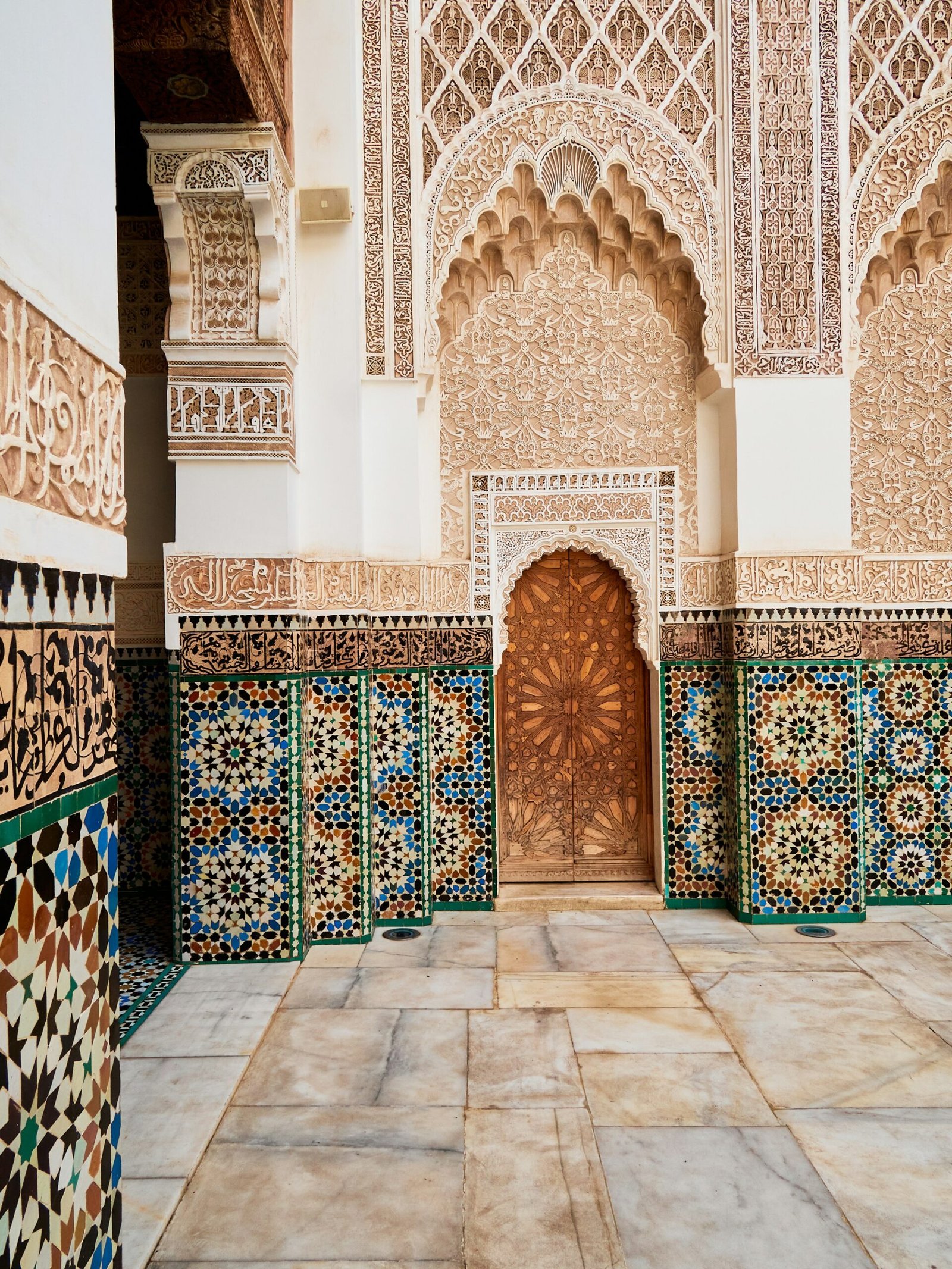
Unlike a Western spa experience, a traditional hammam is communal and functional. Men and women have separate sections or visit at different hours. The architecture is simple but purposeful: vaulted ceilings, tiled walls, and a series of rooms that grow progressively warmer. You move from the cool entrance to the hot steam room, letting your skin soften before the real cleansing begins.
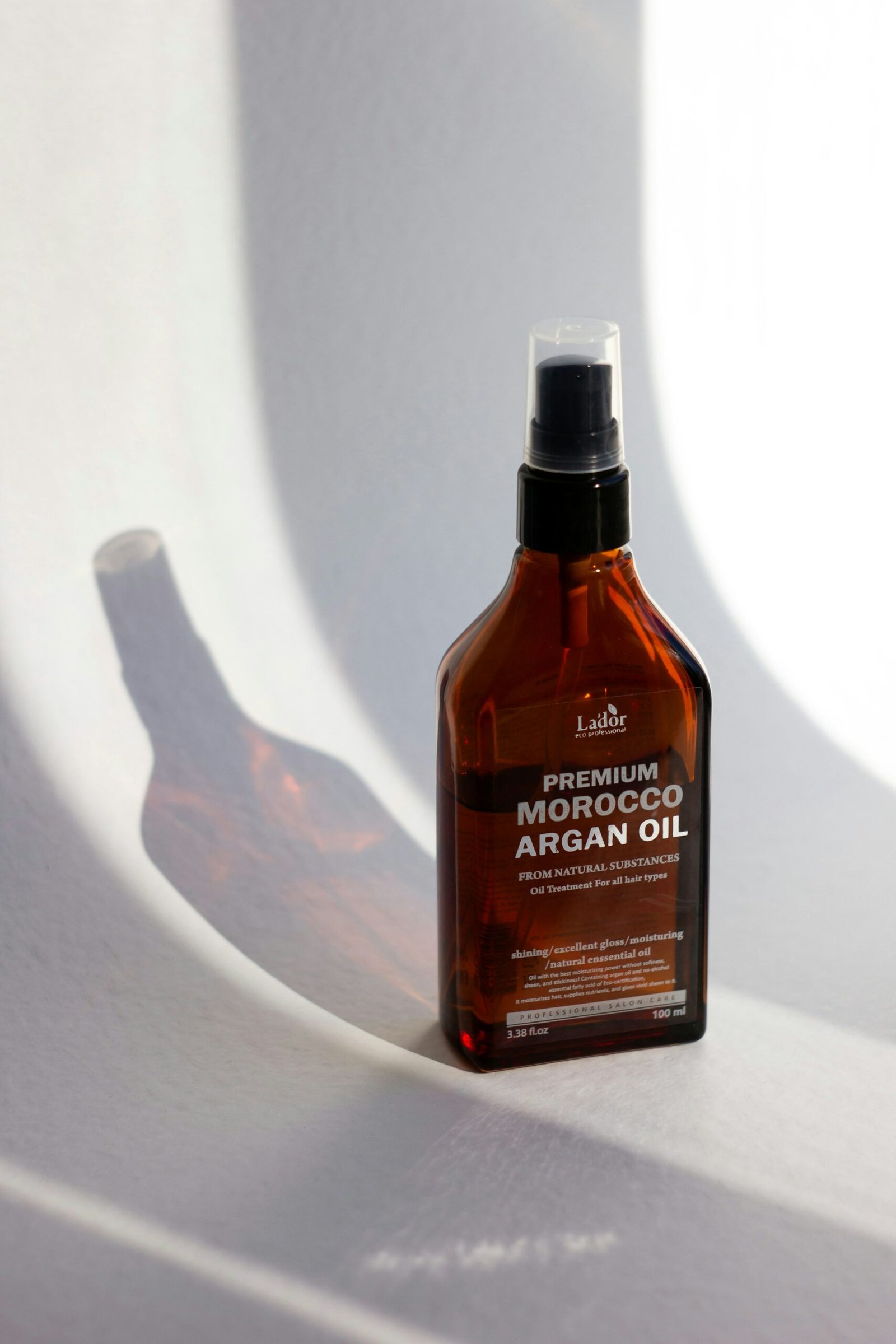
The products used are as iconic as the setting. Black soap, made from olives and potash, has a silky, almost butter-like texture. A kessa glove, rough and exfoliating, removes layers of dead skin you did not know you had. Argan oil finishes the ritual, leaving your skin impossibly soft. These same products make excellent souvenirs, and you will find them in shops across the country.
“There is a moment in a Moroccan hammam when the steam wraps around you like a warm blanket, the scent of eucalyptus rises from the tiles, and the outside world fades into a soft, humid hush.”
Top Things to Experience
-
01
Try a local neighborhood hammam
These are the most authentic and affordable options, often costing little more than a few dirhams. You will sit among locals, share buckets of hot and cold water, and experience the hammam exactly as Moroccans do. It can feel intimidating at first, but a friendly attitude goes a long way.
-
02
Book a private hammam at a riad
Many riads and boutique hotels offer hammam services in a more comfortable, tourist-friendly setting. You will have your own room, fluffy towels, and an attendant who guides you through each step. This is a good option if you want privacy and a gentler introduction.
-
03
Ask for the full treatment
A complete hammam ritual usually includes black soap application, steam, a vigorous scrub with the kessa glove, a ghassoul clay mask, and a rinse. Some places also offer a massage with argan oil afterward. If you are unsure, ask what is included before you book.
-
04
Pair it with your Morocco itinerary
A hammam is the perfect reward after a day of walking through the best places to visit in Morocco, from the blue alleys of Chefchaouen to the bustling souks of Marrakech.
Practical Tips
At local hammams, you typically need a towel, flip-flops, underwear or swimwear, a kessa glove, black soap, and shampoo. Private spas usually provide everything, but it is worth confirming when you book.
Women and men often have separate hours at public hammams, especially in smaller towns. Ask locally or check the schedule at the door. Evenings and weekends tend to be busiest.
In a local hammam, most women wear underwear or bikini bottoms, while men wear shorts. Keep jewelry and makeup off, and avoid shaving beforehand, as freshly shaved skin can sting in the steam.
A simple shukran (thank you) and a smile will make the experience smoother. If you want a specific treatment, pointing and polite gestures work well too.
Public hammams are traditionally inexpensive, while spa hammams in riads or hotels can cost several hundred dirhams. Tipping the attendant is customary and appreciated.
Final Thoughts
A Moroccan hammam visit like local is one of those travel memories that stays with you long after you have left the country.
It is humbling, relaxing, and surprisingly social. You arrive dusty from the road and leave with skin that feels new and a mind that feels lighter.
Before you plan your trip, read The Complete Morocco Travel Guide for more practical advice on transportation, etiquette, and must-see destinations. Then, make room in your itinerary for a hammam. You will not regret it.
Keep Exploring Morocco
From steaming bathhouses to blue-washed alleyways, Morocco rewards travelers who slow down and look closer.