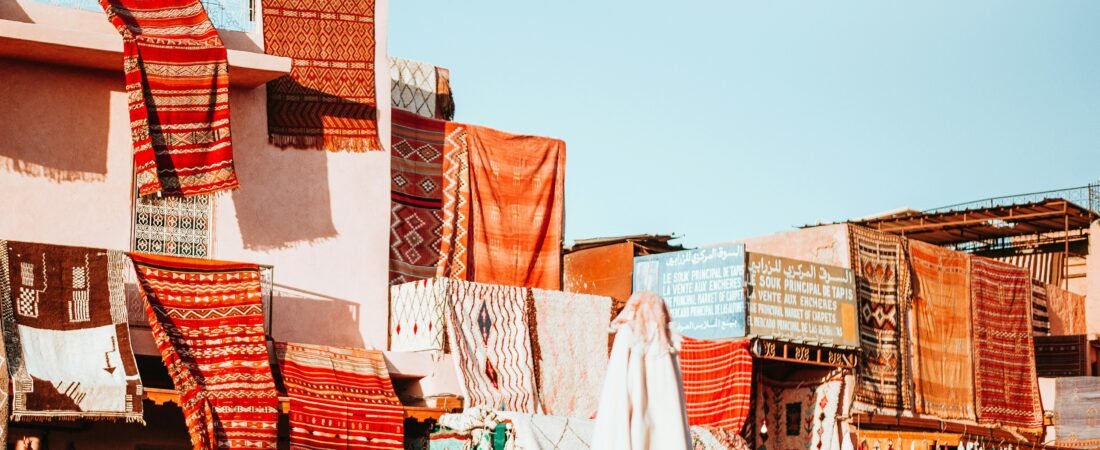
In Fes el-Bali, getting lost is not a mistake — it is the itinerary.
The smell of cumin and tanned leather hits you before you see the tannery. You squeeze past a donkey loaded with firewood, dodge a cyclist ringing a brass bell, and step into a pool of sunlight that filters through bamboo scaffolding three stories above. This is Fes el-Bali, the medieval medina of Fes, and getting lost here is not a mistake — it is the itinerary.
With more than 9,000 alleys, Fes medina is one of the largest car-free urban areas on Earth. The city was traditionally founded in the late eighth or early ninth century and later shaped by the Idrisid dynasty, giving it a rhythm that feels unchanged for centuries. In this Fes medina Morocco travel guide, you will learn what makes the old city unforgettable, which corners deserve your time, and how to wander without missing the essentials.
What Makes Fes Medina Special
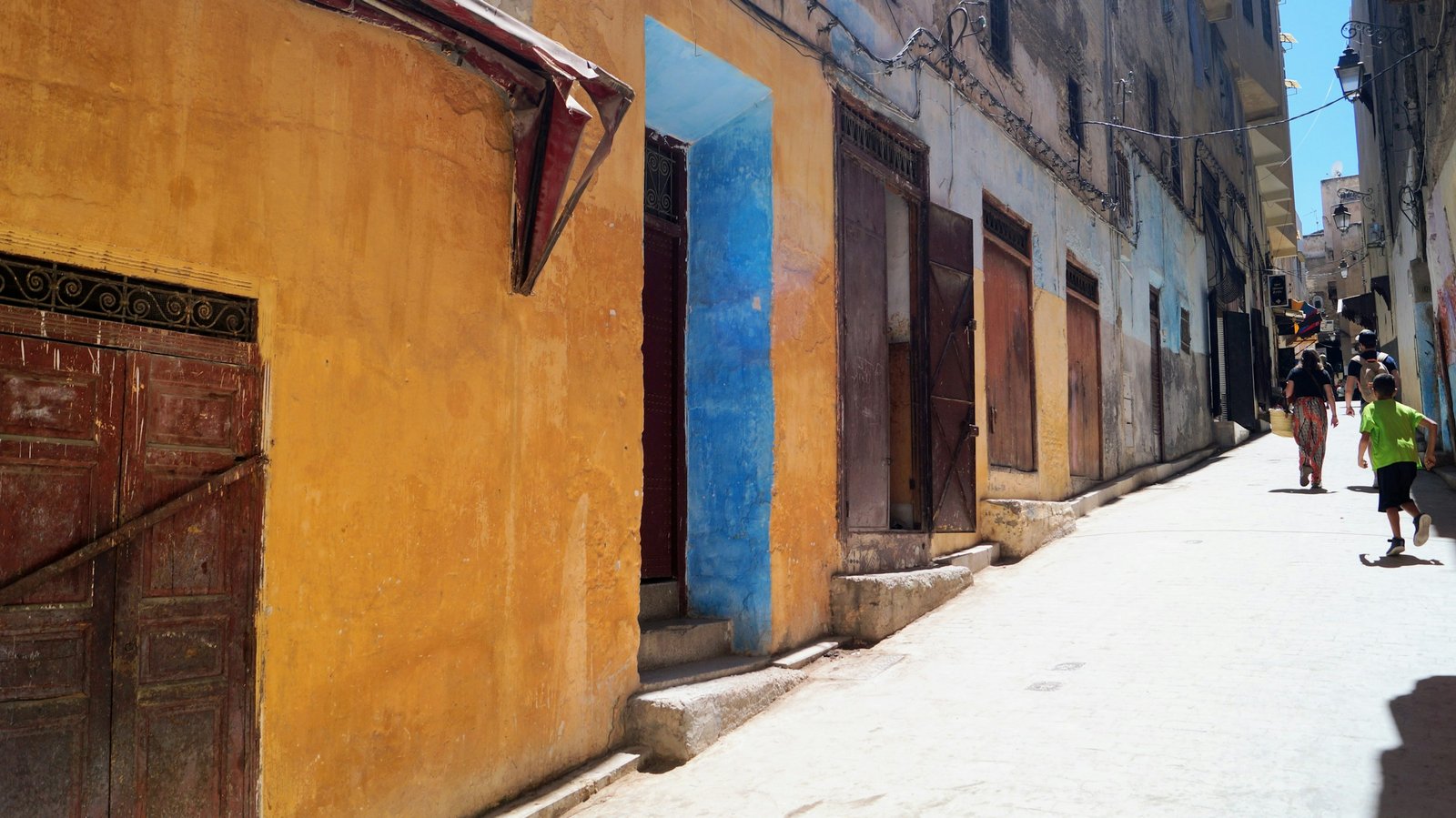
Unlike the more open squares of Marrakech, Fes el-Bali rewards patience. Its streets are narrow, shadowed, and full of sudden courtyards. You might turn a corner and find a marble fountain built in the fourteenth century, or a workshop where a craftsman hammers copper trays by hand. The medina is a UNESCO World Heritage site, and the entire district functions as a living museum — families live above the shops, children run past Quranic schools, and the call to prayer echoes off walls that have heard it for a thousand years.
The architecture tells the story. You will see zellige tilework in cobalt and emerald, carved cedar ceilings, and stucco so fine it looks like lace. Many of these details were refined during the Marinid period in the thirteenth and fourteenth centuries. The most surprising thing for first-time visitors is the silence: once you step away from the main arteries, the noise drops, and you hear only footsteps, water in a fountain, and the rhythmic tap of a woodworker’s chisel.
“Fes medina does not reveal itself quickly. It asks you to slow down, to accept dead ends, and to trust that the next alley might lead to something extraordinary.”
Top Things to Do / See / Experience
You cannot cover the whole medina in a day, so focus on a handful of real highlights:
- 01
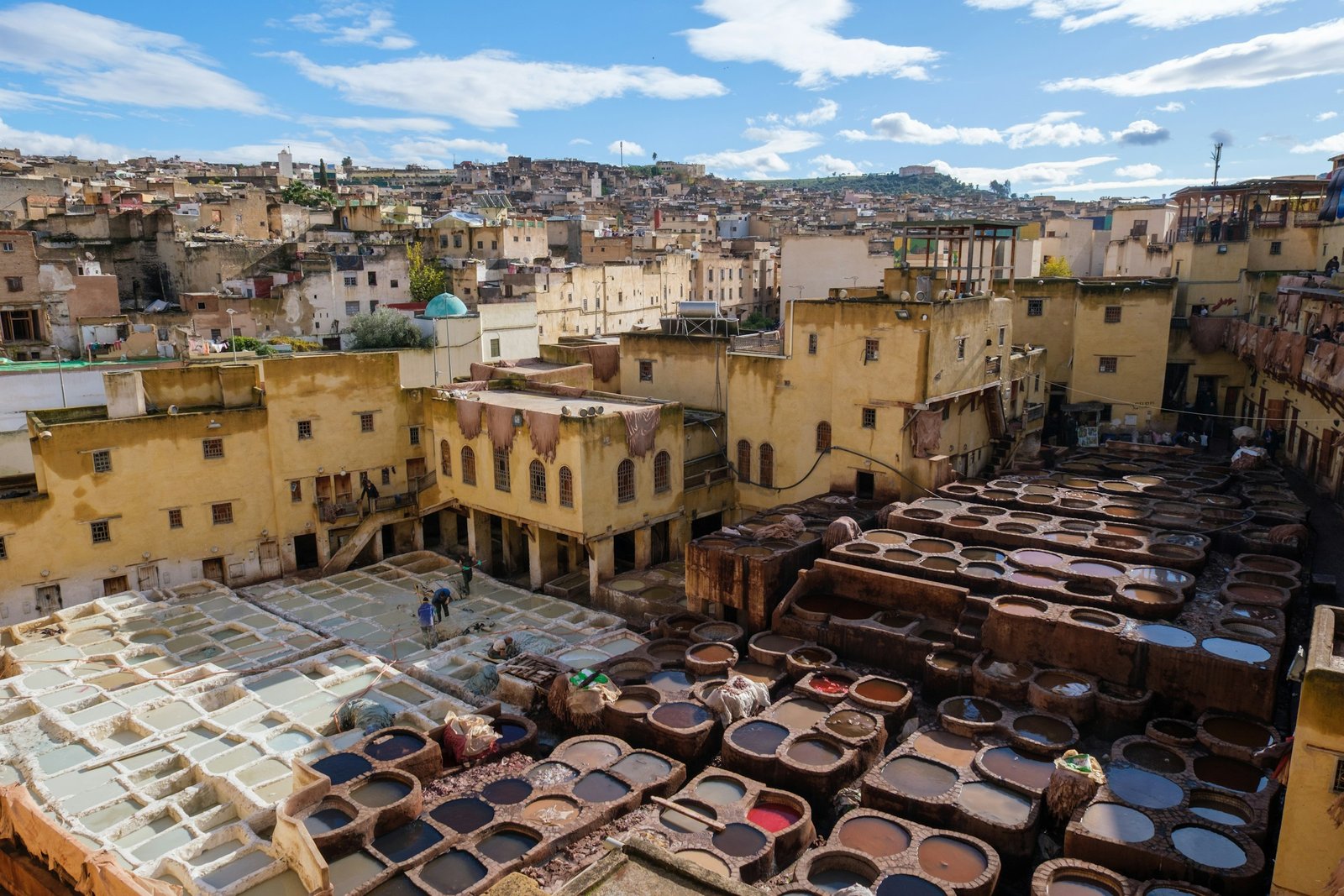
Chouara Tannery
The stone vessels filled with dyes have reportedly been operating since the eleventh century. Climb to a nearby terrace for the view, but bring a sprig of mint if the smell of pigeon droppings and tanning fluids is strong.
- 02
Al-Qarawiyyin Mosque and University
Founded in 859, this institution is traditionally considered the world’s oldest continuously operating university. Non-Muslims cannot enter the prayer hall, but the courtyard and library are remarkable if access is permitted.
- 03
Bou Inania Madrasa
Built between 1350 and 1355, this theological college is open to visitors and shows Marinid craftsmanship at its peak. Look up at the cedar-screened windows and the geometric ceiling.
- 04
Bab Bou Jeloud
The ornate blue-tiled gate is the main western entrance to the medina. It was rebuilt in 1913, but it stands on a much older site and makes a useful landmark when you are trying to find your way back.
- 05
Nejjarine Museum of Wooden Arts & Crafts
Housed in a restored funduq (caravanserai), this museum displays carpentry tools, doors, and chests that explain how wood shaped Moroccan interiors.
- 06
The Marinid Tombs
For a break from the alleys, climb the hill north of the medina at sunset. The ruined tombs overlook the sea of brown rooftops and green-tiled minarets.
Practical Tips
Comfortable shoes are non-negotiable. The streets are uneven, and you will climb stairs, step over gutters, and navigate slippery tile in places. Dress modestly — shoulders and knees covered — especially if you plan to visit religious sites.
A local guide is not mandatory, but hiring one for your first morning can help you understand the medina’s logic and prevent you from missing hidden courtyards.
Mornings are the best time to explore, before the heat builds and while shopkeepers are still arranging their displays. Carry small bills for mint tea, olives, and pastries.
If you buy leather goods at the tannery, bargain gently and compare prices at a few stalls first. For more planning help, read our Complete Morocco Travel Guide, and see why Fes belongs on our list of the best places to visit in Morocco.
Final Thoughts
Fes medina does not reveal itself quickly. It asks you to slow down, to accept dead ends, and to trust that the next alley might lead to something extraordinary.
Whether you are watching leather dye darken in the sun or listening to a muezzin’s call bounce off ancient walls, the city rewards curiosity.
Plan at least two full days here. One day is not enough to absorb the scale, the sounds, and the details. Get lost on purpose, say yes to a glass of tea, and let the medina show you why travelers still speak of Fes in reverent tones.
Keep Exploring Morocco
Ready to plan your route? Browse more destinations and things to do across the country.