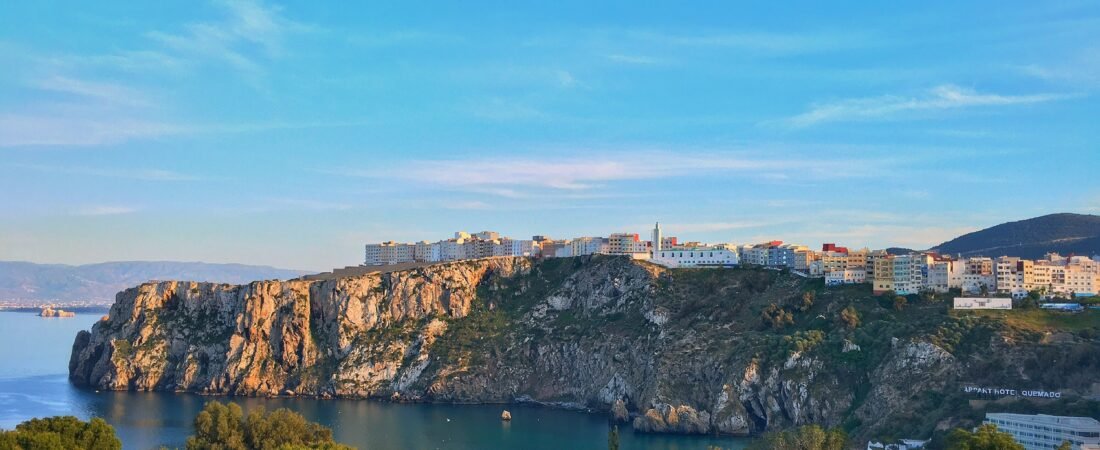
A Mediterranean coastal town in the Rif Mountains, gateway to a national park of cliffs, islets, and turquoise coves.
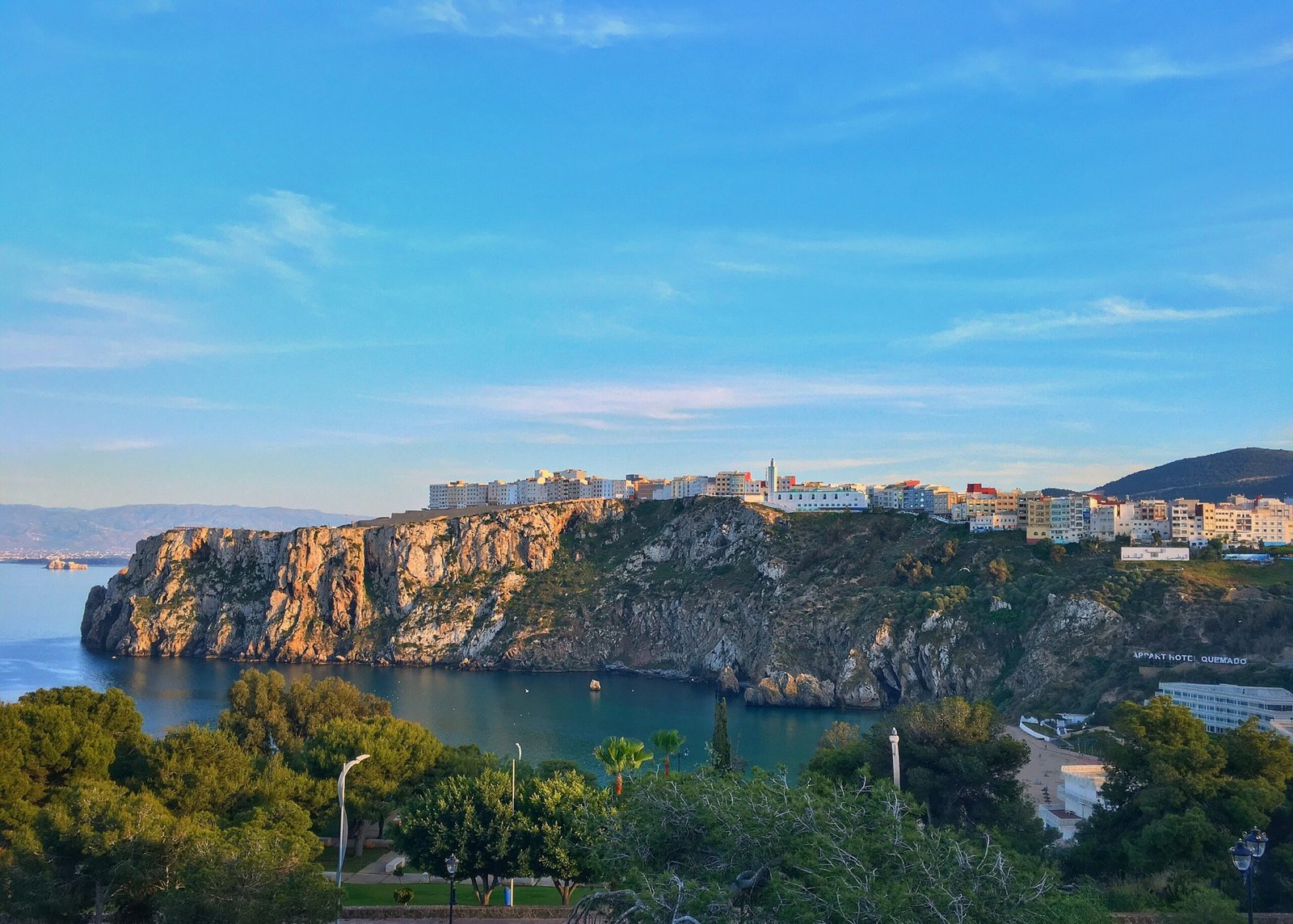
The town spills down a hillside toward a curve of Mediterranean coastline, its whitewashed buildings catching the afternoon light above a sea that shifts from turquoise to deep blue depending on the hour. Al Hoceima sits in Morocco’s north, at the foot of the Rif Mountains, roughly 150 kilometers east of the Strait of Gibraltar — a coastal town whose modern layout was shaped by Spanish colonizers a century ago, but whose surrounding landscape of cliffs, coves, and islets has drawn far less attention than it deserves.
“The Rif drops straight into the Mediterranean here, and the water keeps every color the sky lends it.”
What Makes Al Hoceima Special
Al Hoceima’s origins as a planned town trace to September 1925, when Spanish forces under General José Sanjurjo landed at the bay following a large Franco-Spanish naval and air assault aimed at suppressing the Rif Rebellion led by Abd el-Krim, who had declared the short-lived Republic of the Rif in 1921. The Spanish founded the town the following year, naming it Villa Sanjurjo, and it remained under Spanish administration until Morocco’s independence in 1956. That colonial layer still shows in parts of the town’s grid and architecture, layered now under decades of Moroccan life.
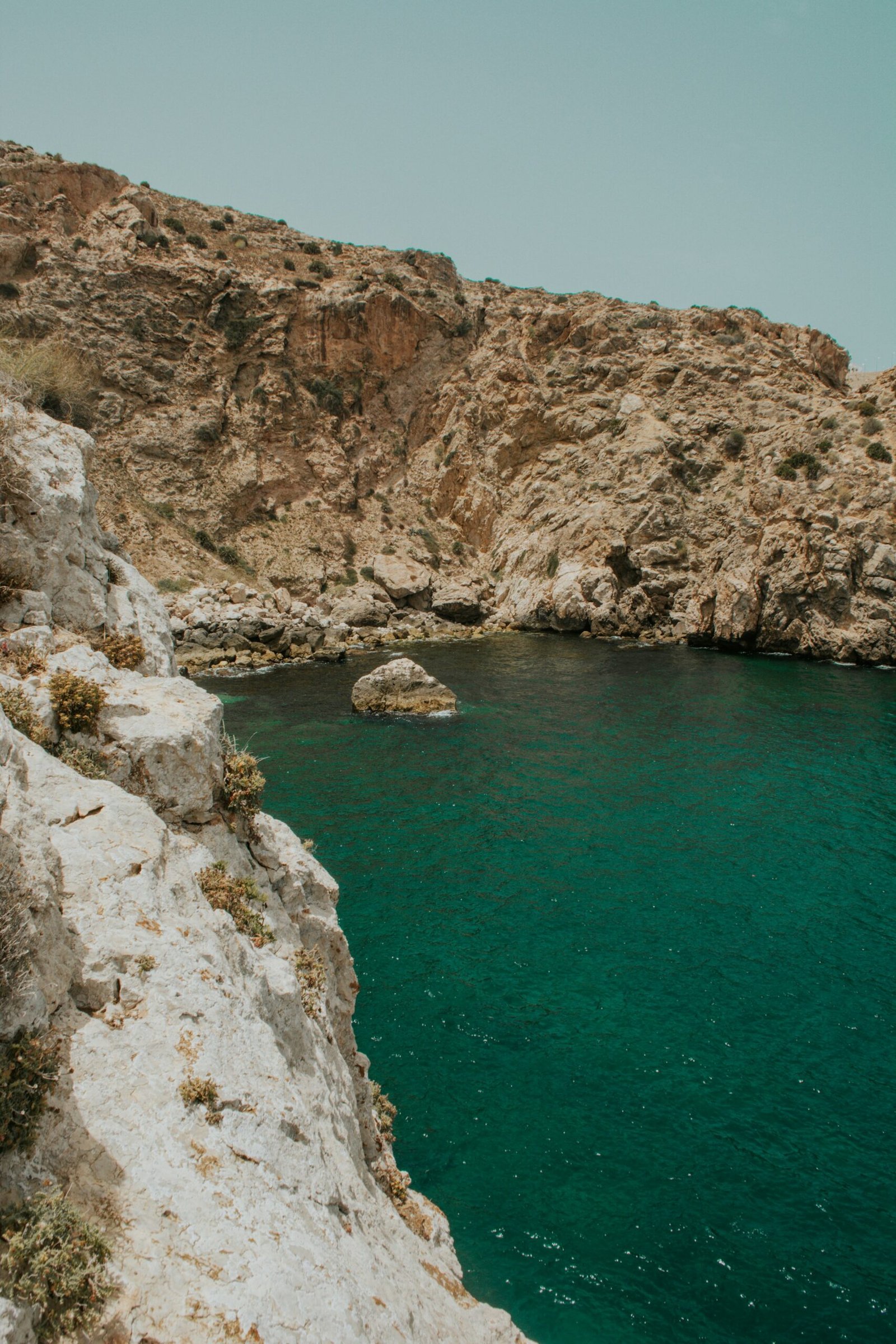
The town’s real draw today lies just outside it: Al Hoceima National Park, established in 2004 and the only Moroccan national park with a marine component along the Mediterranean coast. Spanning roughly 284 square kilometers of the Ibaqouyen Rif mountain range and another 196 square kilometers of protected sea, the park protects some of the most unspoiled coastline left on Morocco’s Mediterranean, with high cliffs, remote coves, and a scatter of small islets that shelter seabirds and marine life largely undisturbed by mass tourism.
Because Al Hoceima sits further from the well-worn Marrakech–Fez–Chefchaouen tourist circuit, it has retained a slower, more local pace than Morocco’s more famous coastal towns — a place where the beaches fill with Moroccan families on summer weekends rather than international tour groups.
Top Things to Do in Al Hoceima
- 01
Relax at Quemado Beach
The town’s main beach sits right below the hillside center, with calm, sheltered water that makes it one of the most popular swimming spots on this stretch of coast.
- 02
Explore Al Hoceima National Park
The park’s cliffs, coves, and marine reserve are best explored by boat trip or coastal drive, with opportunities to spot seabirds and swim in secluded bays away from the town.
- 03
Walk the Old Villa Sanjurjo Streets
The town center still carries traces of its Spanish colonial-era planning and architecture, visible in its grid layout and some older building facades.
- 04
Visit Nearby Rif Villages
The mountains inland from Al Hoceima are dotted with Rifian Berber villages, offering a look at rural life and landscapes very different from the coastal town below.
- 05
Take a Coastal Boat Trip
Local boat operators run trips along the coastline to sea caves, islets, and quieter beaches that are difficult to reach by road.
Practical Tips
Al Hoceima has its own airport (Cherif Al Idrissi Airport) with domestic and some seasonal international flights, as well as bus connections from Fez, Tangier, and other northern cities.
Late spring through early autumn offers the best swimming weather; July and August are the busiest with Moroccan domestic tourists and beachgoers.
A rental car or local taxi is useful for reaching the national park’s more remote coves, since many of the best spots sit outside the town center.
Beachwear for summer, a light jacket for cooler evenings, and good shoes if you plan to hike any of the coastal or mountain trails.
Al Hoceima remains less expensive than Morocco’s larger coastal resort towns, with affordable guesthouses and simple seafood restaurants around the town center.
Final Thoughts
Al Hoceima offers a version of Mediterranean Morocco that still feels lightly touristed — a coastal town shaped by a complicated colonial history, backed by mountains, and fronted by some of the cleanest, quietest coves on the country’s northern shore.
For travelers who want beach time without the crowds of Morocco’s better-known coastal destinations, Al Hoceima and its national park are worth the extra distance north.
Keep Exploring Morocco
Planning a longer trip along the Mediterranean coast? Browse our full destinations guide for more of Morocco’s beaches, mountains, and medinas.