Where the Dades River has spent millennia carving a canyon of rose-red cliffs, whitewashed kasbahs, and a switchback road that climbs into the High Atlas.
The road out of Boumalne Dades climbs slowly at first, tracing the river through groves of almond and fig trees, past kasbahs the color of dried clay. Then, without much warning, the valley narrows and the cliffs rear up on either side — layered, wind-carved, and stained rose and ochre by centuries of iron-rich sediment. This is the Dades Valley, one of the great scenic drives of Morocco, where the Dades River has spent thousands of years cutting a canyon through the southern flank of the High Atlas. It is often paired with its more famous neighbor, the Todra Gorge, but the Dades has its own personality: quieter, stranger, and studded with rock formations that look almost sculpted by hand.
“The Dades doesn’t announce itself. It reveals itself, switchback by switchback, until you’re surrounded by rock that looks like it’s still moving.”
What Makes Dades Valley Special
The valley runs for roughly 170 kilometers between the Jbel Saghro massif and the High Atlas, but its most dramatic stretch is the narrow gorge that begins just a few kilometers north of Boumalne Dades. Cliffs rise as high as 500 meters above the riverbed here, striped in shades of red, ochre, and grey where different mineral layers have been exposed by erosion. Along the valley floor, Berber villages built from rammed earth and straw blend so completely into the hillsides that from a distance they are barely distinguishable from the rock itself.
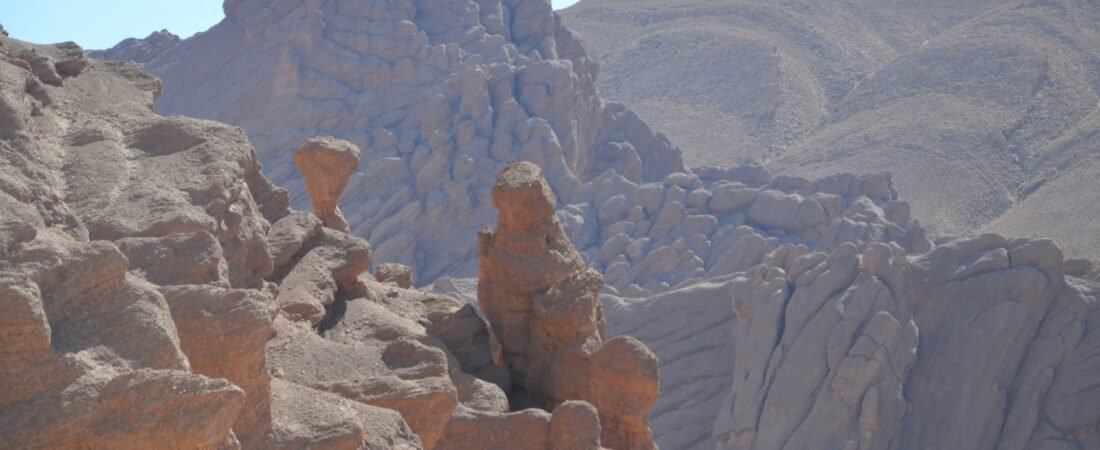
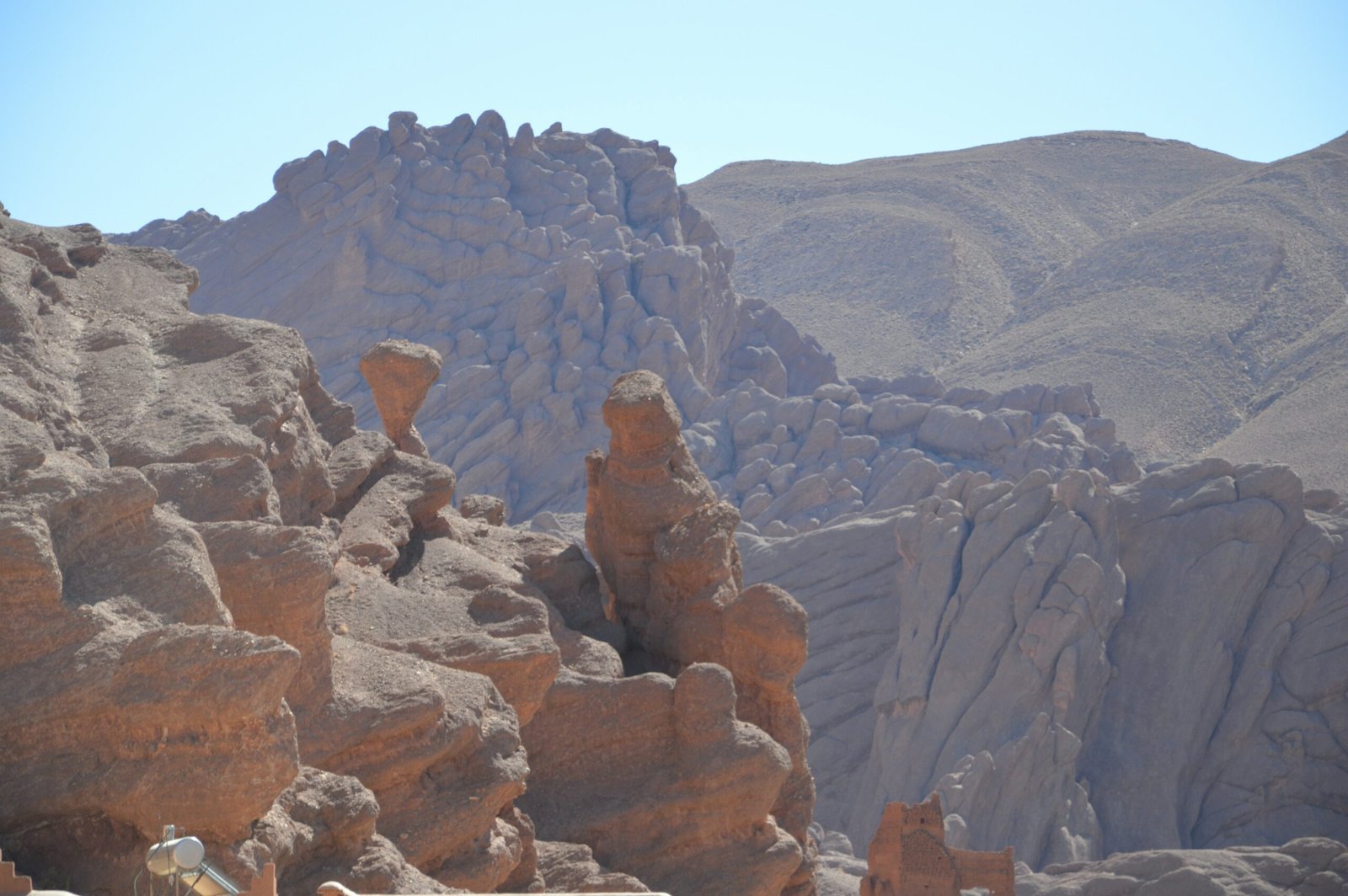
The valley’s defining feature, and the reason many travelers detour here, is a formation known as the Monkey Fingers (doigts de singe in French), near the village of Tamlalt. Erosion has worn the sandstone cliffs into rounded, finger-like pillars and folds that look almost organic, as if the rock had melted and re-hardened. A little further on, the valley is sometimes called part of the “Road of a Thousand Kasbahs,” a nod to the sheer number of fortified mud-brick kasbahs and ksour strung along the route between Ouarzazate and the gorge.
Beyond the geology, this is Berber country. Villages here have farmed the narrow river terraces for generations, growing almonds, walnuts, and roses in the more fertile stretches near El Kelaa M’Gouna, a town famous for its rose harvest each spring. The combination of dramatic landscape and lived-in agricultural life is part of what makes the Dades feel different from the more tourist-heavy Todra Gorge just over the mountains.
Top Things to Do in Dades Valley
- 01
Drive the Switchback Road
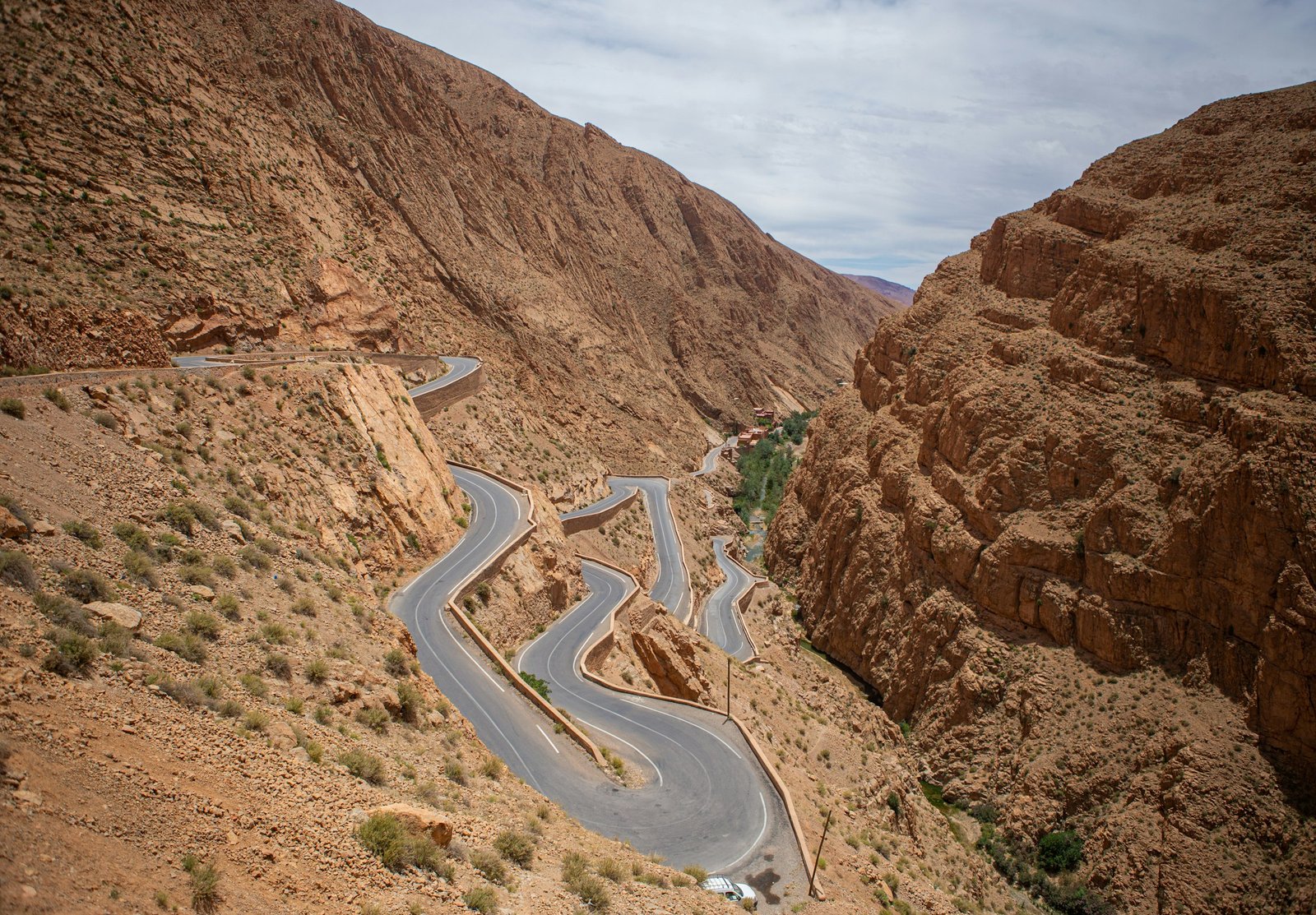
The most photographed stretch of the gorge is a tight series of hairpin turns carved into the cliff face beyond Tamlalt. The tarmac climbs quickly, opening up wide views back down the canyon at nearly every bend — go slowly, pull over often, and let whoever isn’t driving take photos.
- 02
See the Monkey Fingers Rock Formations
Just past the switchbacks, the cliffs erupt into the strange, rounded pillars known as the Monkey Fingers. A short walk or a longer 3–4 hour hike around the formations gets you up close to the eroded sandstone, which looks different depending on the angle and time of day.
- 03
Stay in a Kasbah Guesthouse
Several family-run kasbahs and auberges are built directly into the gorge walls, with terraces overlooking the river. Spending a night here, rather than just passing through, is the best way to see the cliffs change color at sunrise and sunset.
- 04
Hike the Gorge on Foot
Beyond the road, trails follow the riverbed and climb into side canyons, passing almond groves and small Berber hamlets. Hiring a local guide in Boumalne Dades or at your guesthouse opens up routes that aren’t visible from the car.
- 05
Combine It With Todra Gorge
The Dades and Todra gorges are often visited back-to-back, roughly an hour and a half apart via Tinghir. Many travelers spend one night in each, using the connecting road through the Atlas foothills as a scenic drive in its own right.
Practical Tips
Most visitors reach the Dades Valley by car or grand taxi from Ouarzazate (about 2 hours) or Boumalne Dades, the gateway town at the mouth of the gorge. It also sits on the main route between Marrakech and Merzouga/the Sahara, so it’s an easy stop on a longer desert loop.
Spring (March–May) and autumn (September–November) bring mild daytime temperatures and clearer light for photography. Summers are very hot in the valley floor; winters can be cold at higher elevations, with occasional snow on the surrounding peaks.
The road through the gorge is paved but narrow, with tight switchbacks and steep drop-offs beyond Tamlalt. Drive cautiously, use lower gears on the descents, and avoid the pass after dark or in poor weather.
Small kasbah guesthouses and auberges line the gorge road itself, offering the most dramatic views for the price. Boumalne Dades has a wider range of hotels if you prefer a base with more amenities.
Sturdy shoes for uneven trails, layers for cool mornings and evenings, and a camera with a wide lens for the cliffs. Cash is useful, as many small guesthouses and roadside cafes don’t take cards.
Final Thoughts
The Dades Valley rewards travelers who slow down. It’s easy to treat it as a photo stop on the way to the Sahara, but the gorge holds more than a single viewpoint — kasbahs to sleep in, trails to walk, and rock formations that look different every hour the light shifts. Pair it with the Todra Gorge if you have the time, but give the Dades at least a night of its own; the switchback road is unforgettable by day, and the cliffs are just as striking under a sky full of stars.
Keep Exploring Morocco
Planning a longer route through the south? Browse our full destinations guide for more of Morocco’s gorges, kasbahs, and desert towns, or find things to do for every stop on your trip.