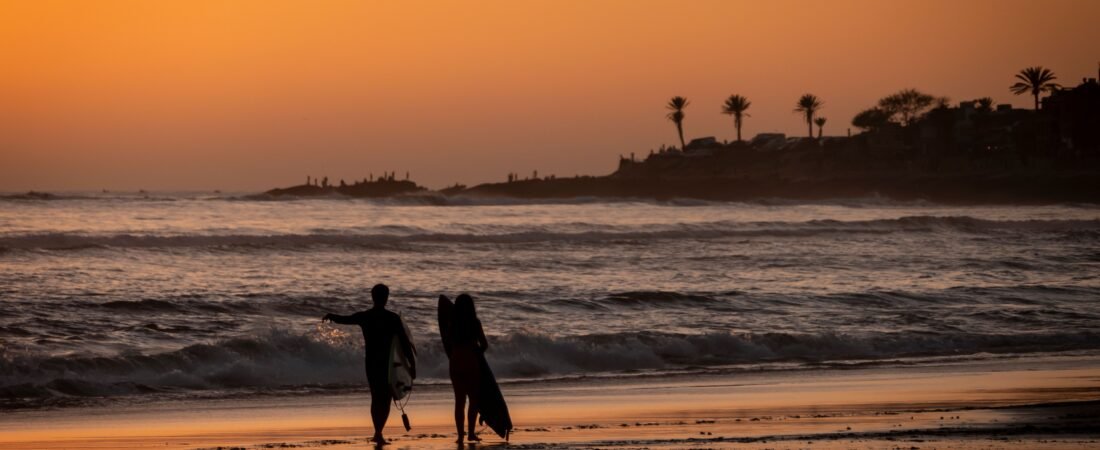
A small fishing village on Morocco’s Atlantic coast where the waves roll in reliably, the tea is sweet, and the pace of life slows to the rhythm of the tide.
The Atlantic wind whips through your hair as you paddle out past the break, the water cool against your skin and the sun already warm on your back. Somewhere ahead, a clean right-hander peels across the reef, and you can hear the hoots of other surfers drifting across the lineup. Welcome to Taghazout — a small fishing village turned surf hub on Morocco’s southern coast, where the waves roll in reliably, the tea is sweet, and the pace of life slows to the rhythm of the tide.
Once a quiet settlement of blue-painted houses and wooden fishing boats, Taghazout has become one of North Africa’s most beloved surf destinations. It is not a polished resort town. The streets are narrow and dusty, the call to prayer echoes from the mosque, and locals still mend nets on the beachfront. That is precisely the appeal. Whether you are a beginner looking for your first green wave or an experienced surfer chasing long point breaks, Taghazout delivers a surf trip that feels both adventurous and deeply rooted in Moroccan coastal life.
What Makes Surfing in Taghazout Special
Taghazout sits on a stretch of Atlantic coastline that picks up swell almost year-round. From autumn through spring, consistent northwest swells light up the reefs and beach breaks in and around the village. The water temperature rarely demands a thick wetsuit — a 2/3mm suit is usually enough in winter, and many surfers trunk it through the warmer months.
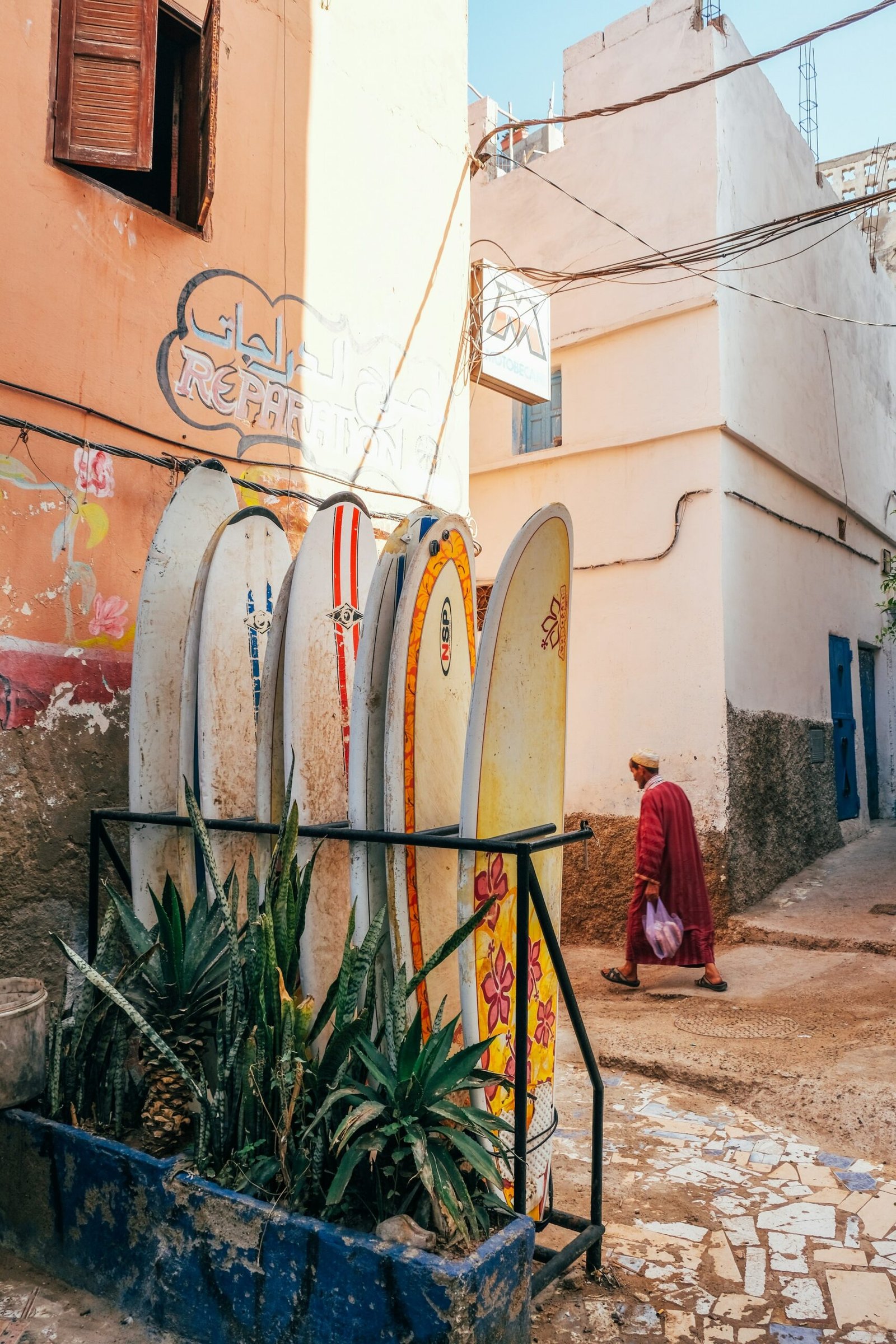
The village itself has a charm that larger surf towns often lose. You will drink mint tea with locals, eat tagine at family-run restaurants, and watch fishermen bring in the day’s catch while you wax your board. The surf culture here is relaxed rather than competitive. Morning sessions start early, often before the wind turns onshore, and afternoons melt into rooftop sunsets and slow conversations about which break fired best that day.
“The village itself has a charm that larger surf towns often lose.”
Top Things to Do and Experience
-
01
Catch waves at Anchor Point
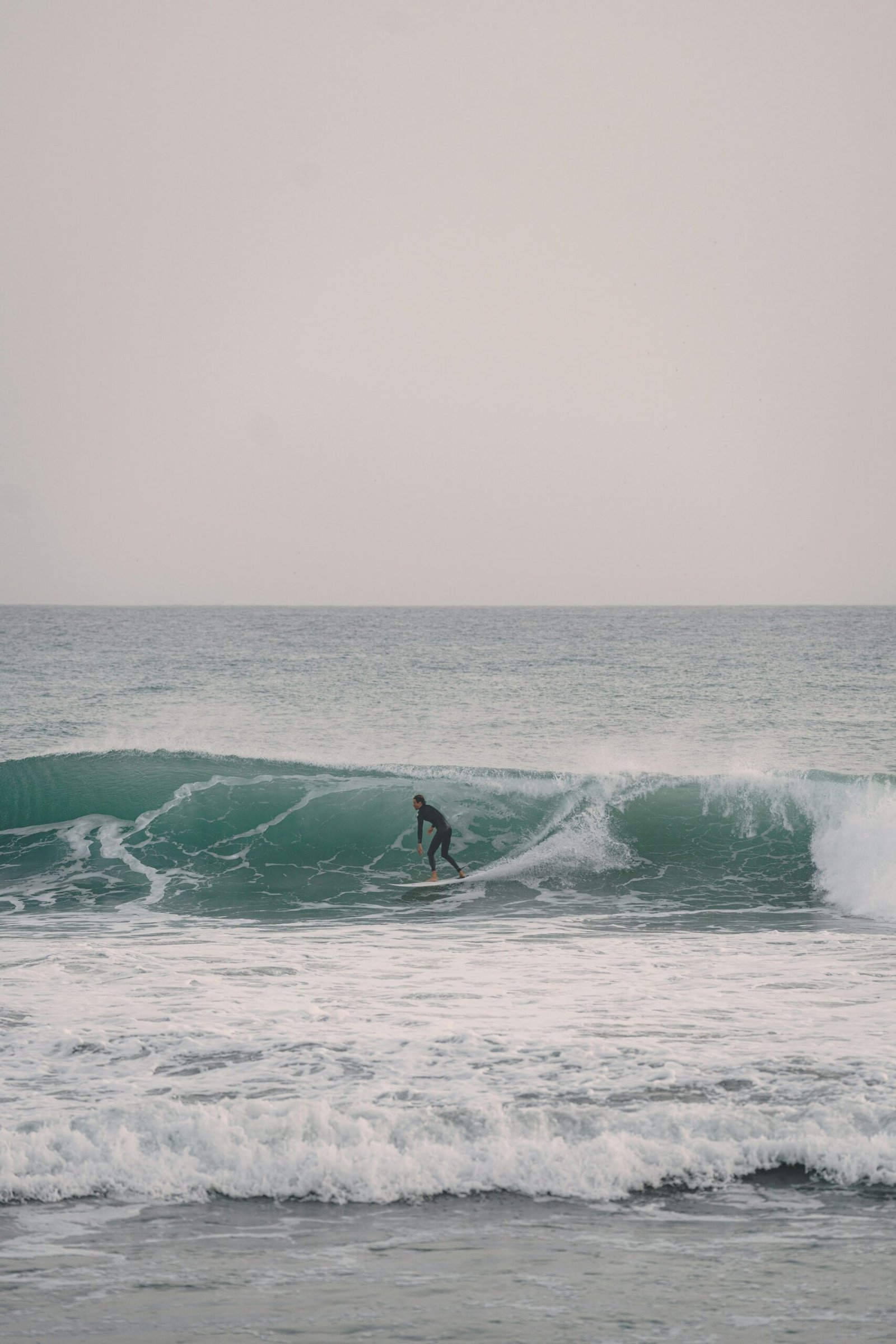
Taghazout’s most famous break, a long right-hand point break that works best on a solid northwest swell. It is best suited to intermediate and advanced surfers, and on a good day, you can ride for hundreds of meters along the reef.
-
02
Learn to surf at Panorama Beach
Just south of the village, this sandy-bottom beach break is one of the best places for beginners to find their feet. Several surf schools operate here, and the mellow waves make it forgiving when you are still mastering your pop-up.
-
03
Explore the village on foot
Wander past the painted shutters, small grocery shops, and rooftop cafes. Stop at a bakery for msemen in the morning, or sit on the sea wall with a cup of coffee and watch the Atlantic roll in.
-
04
Take a day trip to Imsouane
About an hour north of Taghazout, Imsouane is home to one of Morocco’s longest waves, the legendary Bay. Even on smaller swells, this right-hand point can offer rides so long your legs will burn by the time you kick out.
-
05
Hike to Paradise Valley
When your arms need a rest from paddling, head inland to this palm-lined gorge with natural rock pools and limestone cliffs. It is a popular half-day escape from the coast and a good reminder of how varied the landscape is just behind the village.
Practical Tips
Taghazout is roughly 20 kilometers north of Agadir. The easiest route is to fly into Agadir-Al Massira Airport and take a taxi or arranged transfer to the village. The drive takes about 45 minutes along the coastal road.
The prime surf season runs from October to April, when Atlantic swells are most consistent and the winds are calmer. September and May can also produce excellent conditions with fewer crowds.
You can rent boards and wetsuits in the village, but if you have a favorite shortboard or mid-length, bring it. Reef booties are useful at rocky breaks like Anchor Point. Sunscreen is essential — the Moroccan sun is stronger than it feels.
Taghazout’s waves are shared by locals, visiting surfers, and surf-school groups. Be patient, wait your turn, and ask locals about etiquette at each break. A friendly “salam” goes a long way.
Most cafes and guesthouses offer Wi-Fi, though it can be patchy. Consider picking up a Moroccan SIM card at the airport if you need reliable data for maps and swell forecasts.
Final Thoughts
Surfing in Taghazout is about more than just waves.
It is the smell of grilled sardines drifting from a beachside stall, the sound of Arabic and Berber mixing with French and English in the lineup, and the feeling of having stumbled into a place that still belongs to the people who live there. You come for the surf, but you leave with a deeper appreciation for Morocco’s coastal soul.
If this trip has you dreaming of a longer Moroccan adventure, our Complete Morocco Travel Guide covers everything from medinas to mountains. And for more destination inspiration, browse our list of the Best Places to Visit in Morocco.
Keep Exploring Morocco
From coastal surf towns to mountain valleys and desert dunes, there is always another corner of Morocco worth discovering.