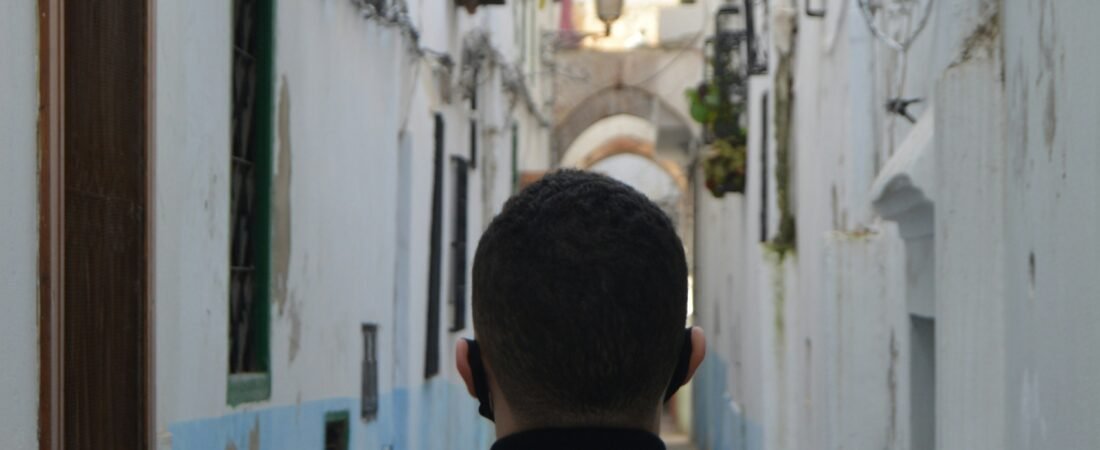
A whitewashed medina shaped by Andalusian refugees, where the architecture, crafts, and even the accent still carry the memory of Granada.
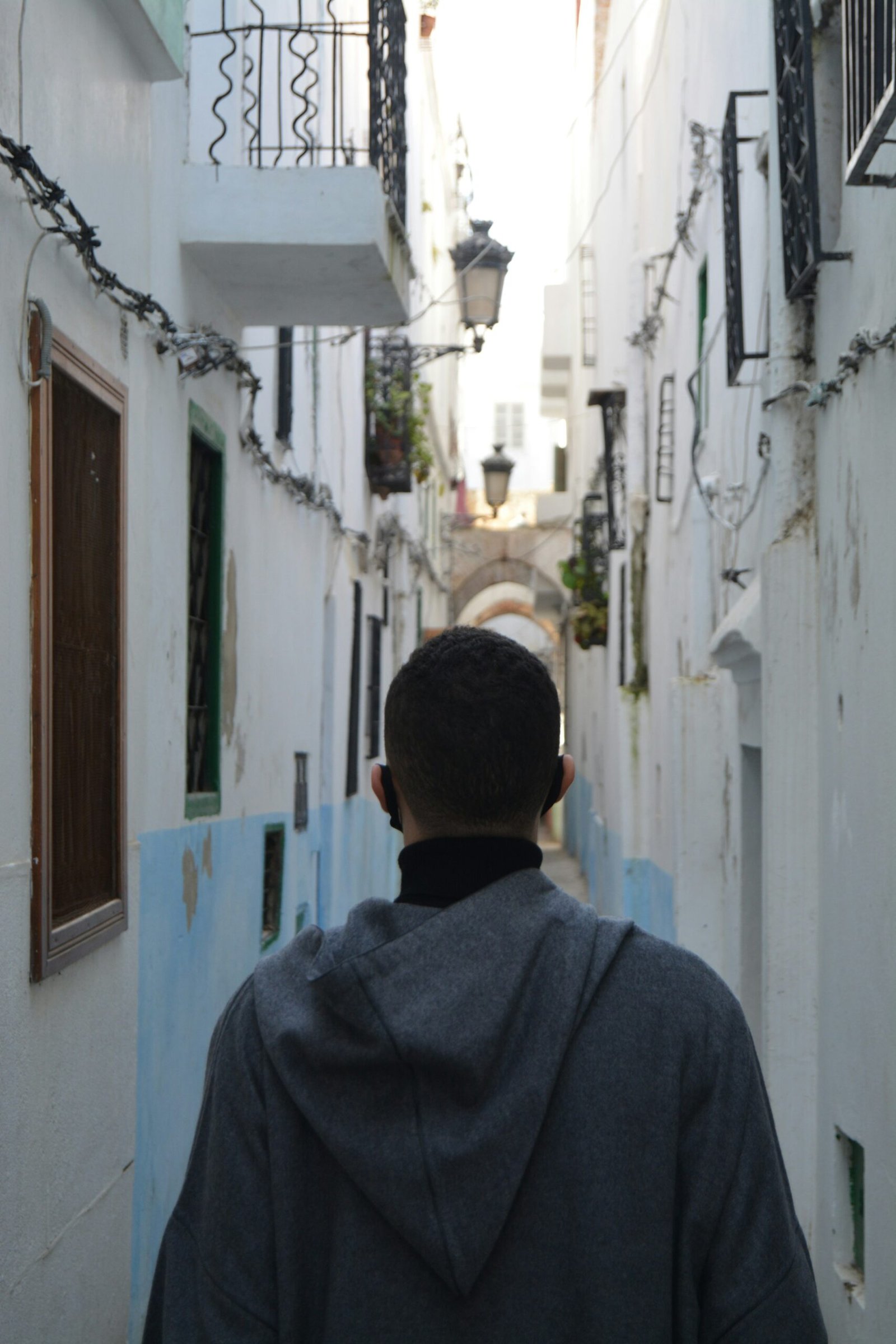
Tetouan’s medina does not look like most in Morocco. The doorways are carved differently, the ironwork on the balconies is heavier and more ornate, and the whitewashed walls carry a distinctly Iberian rhythm. That is because much of the old city was rebuilt by Andalusian Muslims and Jews who fled Spain after the fall of Granada in 1492, carrying their architecture, craftsmanship, and customs south across the Strait of Gibraltar and rebuilding a version of the home they had lost.
“Walk far enough into the medina, and you start to wonder whether you crossed into Morocco or backward into a Granada that no longer exists.”
What Makes Tetouan Special
Tetouan’s location made it a natural point of contact between Morocco and Andalusia as early as the 8th century, but its defining chapter began in the late 15th century, when Sidi Ali al-Mandri led a community of Andalusian refugees to resettle and rebuild the town after the Christian Reconquest of Spain. Their influence didn’t fade with time — it kept deepening. The city’s expansion continued from the 17th through the 18th century, and each phase layered in more of the fortifications, urban design, and architectural detail that define the medina today.
UNESCO inscribed the Medina of Tétouan as a World Heritage Site in 1997, describing it as one of the smallest but most complete of Morocco’s historic medinas — a place largely untouched by later outside influence, which is precisely what makes its Andalusian character so legible today. That heritage extends well beyond architecture: Tetouan’s classical Andalusian music traditions, its intricate embroidery patterns, and its distinctive cuisine all trace back to the same refugee communities, and in 2017 the city was named to the UNESCO Creative Cities Network in recognition of its crafts and folk art.
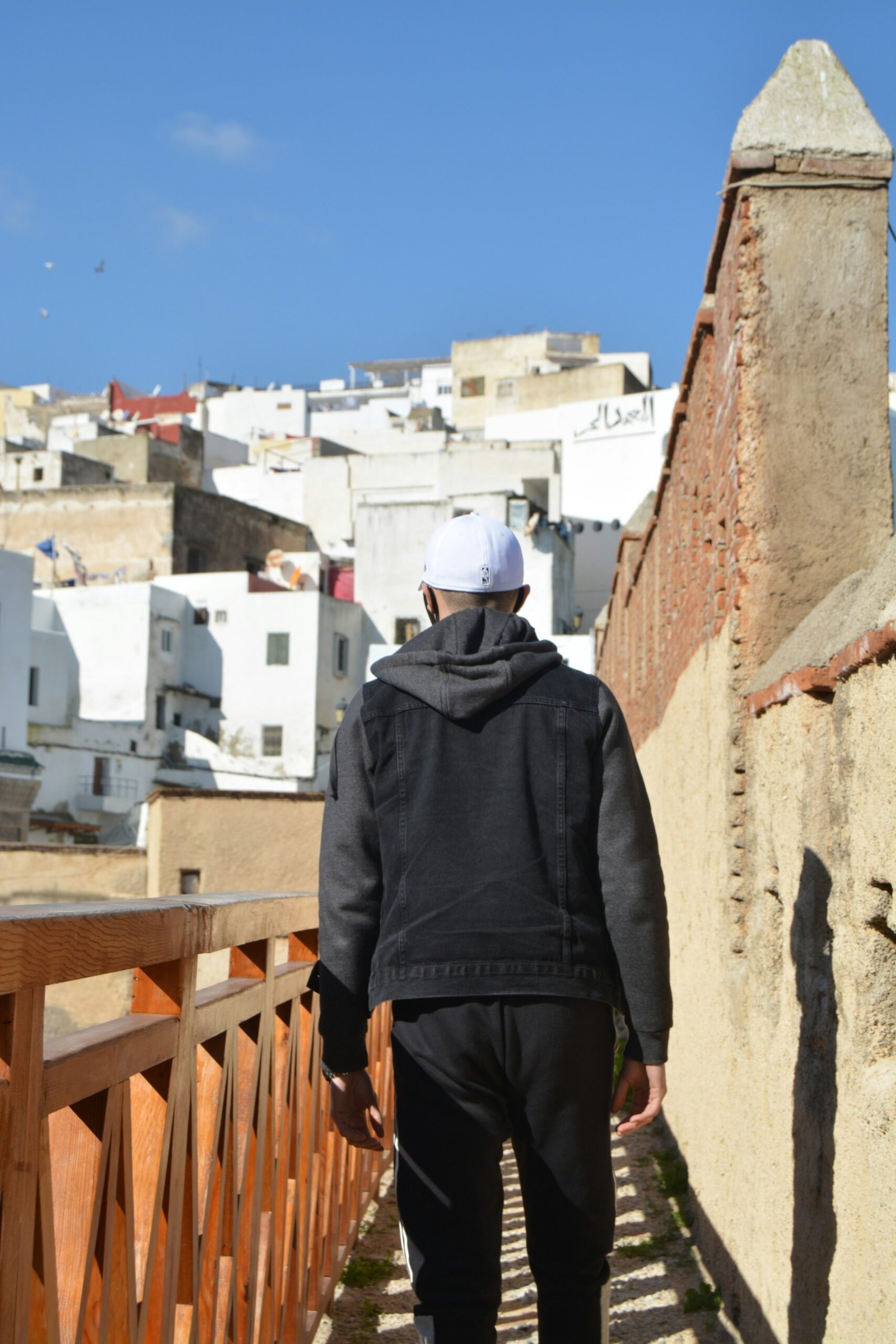
Locals sometimes call Tetouan the “White Dove” for the pale walls that blanket the old city, and unlike Chefchaouen’s deliberately blue-painted streets an hour away, Tetouan’s whiteness feels less like a tourist backdrop and more like the continuation of an architectural tradition that has simply never stopped.
Top Things to Do in Tetouan
- 01
Wander the Medina Freely
Unlike larger medinas, Tetouan’s old city is compact enough to explore without a guide, though its dense layout still rewards getting pleasantly lost for an hour or two.
- 02
Visit the Ethnographic Museum
Housed in a former Andalusian-style building, the museum displays traditional Tetouani costumes, jewelry, and crafts that trace the city’s Andalusian heritage.
- 03
Browse the Artisan Souks
Tetouan is known for leatherwork, embroidery, and woodworking traditions passed down through generations of Andalusian-descended craftsmen; the leather tannery quarter is especially atmospheric.
- 04
See the Royal Palace Exterior
The Dar al-Makhzen royal palace sits at the edge of the medina on Place Al Massira, and its impressive facade and gate are worth a stop even though the interior isn’t open to visitors.
- 05
Day-Trip to the Mediterranean Coast
Tetouan sits close to beach towns like Martil and Cabo Negro, making it an easy base for combining medina culture with a Mediterranean coastal afternoon.
Practical Tips
Tetouan is well connected by bus and grand taxi from Tangier, Chefchaouen, and other northern Morocco towns, and has its own regional airport.
Spring and early autumn bring pleasant temperatures for walking the medina; summer can be hot, though nearby beach towns offer relief.
The old city’s layout can be confusing for first-time visitors; a local guide for the first walk-through helps orient you to the main gates and souk areas.
Tetouan’s leather and embroidery goods are considered some of the best in northern Morocco, and prices are often more negotiable than in more heavily touristed medinas.
Tetouan remains less touristed than Chefchaouen or Fez, which generally keeps accommodation and food prices lower.
Final Thoughts
Tetouan is often overshadowed by its blue-washed neighbor Chefchaouen, but its medina tells a deeper and more specific story — one written by people who lost a home in Spain and rebuilt it, stone by stone, on Moroccan soil.
For travelers interested in the real texture of Andalusian-Moroccan history rather than just its postcard image, Tetouan is one of the most rewarding stops in the country’s north.
Keep Exploring Morocco
Planning a longer trip through the north? Browse our full destinations guide for more of Morocco’s medinas, coastlines, and mountain towns.