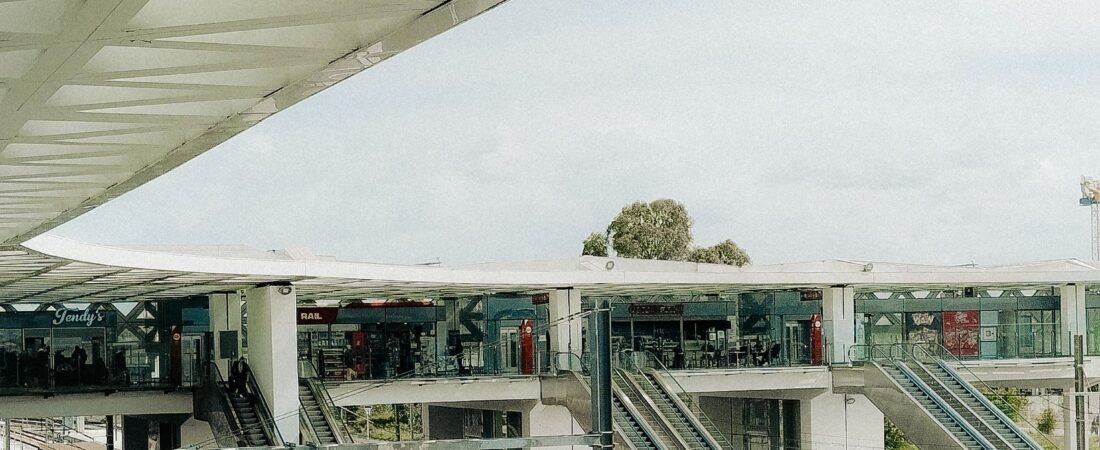
A grounded, window-seat way to cross Morocco — from the high-speed Al Boraq to the classic city-to-city lines.
There is a particular rhythm to train travel in Morocco. You feel it the moment you step onto the platform at Casa-Voyageurs or Rabat Ville—the hum of announcements in Arabic and French, the smell of strong coffee from a nearby kiosk, and the sight of sleek green-and-gold carriages gliding in. Whether you are curling north toward Tangier on the high-speed Al Boraq or rolling south through argan groves toward Marrakech, the train turns Morocco’s long distances into relaxed, window-seat theater.
For many travelers, the rail network is the most comfortable and reliable way to move between imperial cities, the Atlantic coast, and the country’s northern gateways. You avoid the bargaining stress of grand taxis, skip the highway checkpoints, and arrive right in the city center. If you want a grounded, local-feeling journey, this train travel Morocco practical guide is the place to start.
What Makes Train Travel in Morocco Special
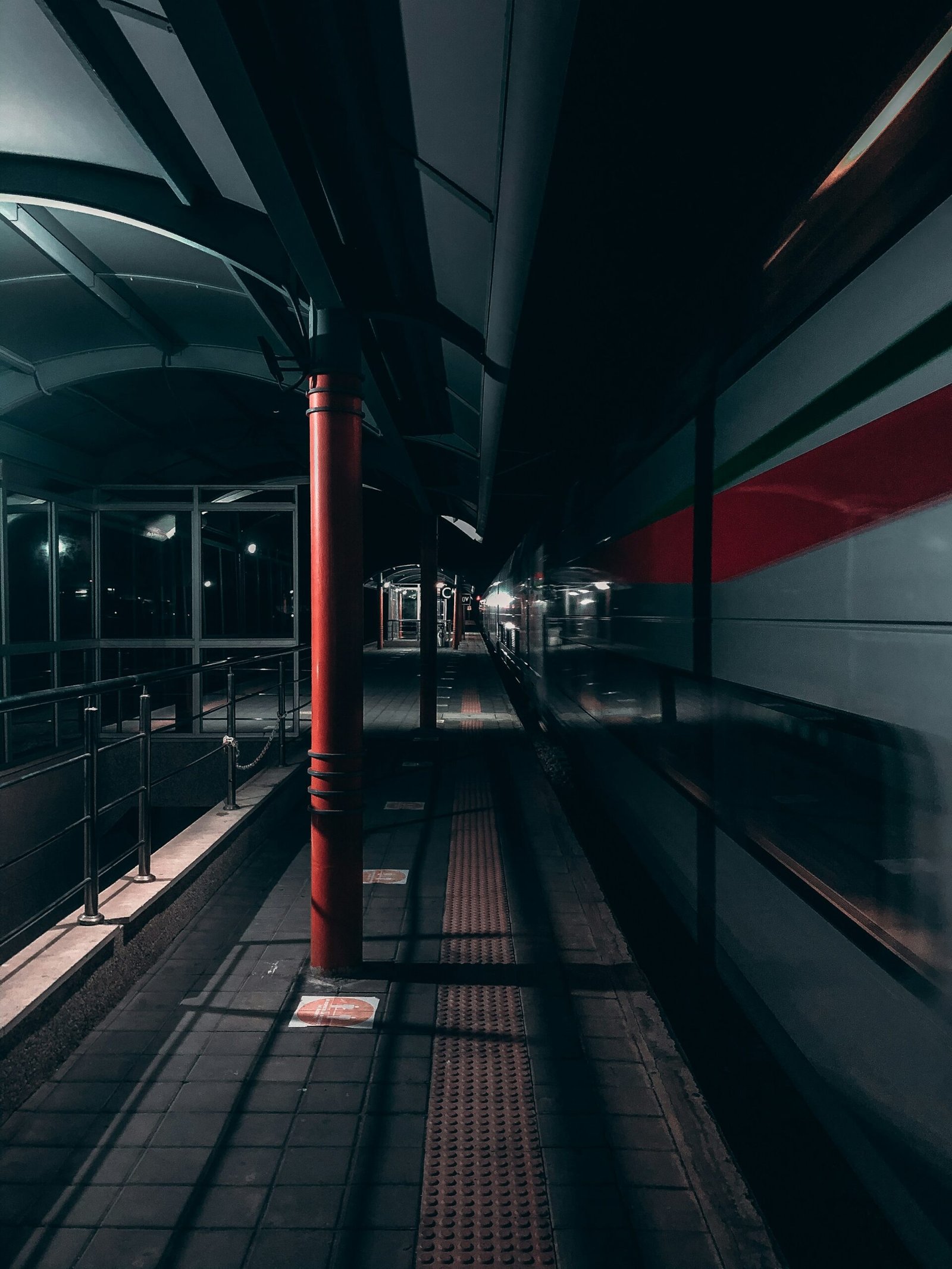
Morocco’s flagship rail experience is the Al Boraq, Africa’s first high-speed train, which connects Tangier to Casablanca in roughly two hours. The stations along this line—Tangier Ville, Kenitra, Rabat Agdal, and Casa-Voyageurs—feel unexpectedly modern, with polished concourses and digital departure boards. But the real pleasure is the contrast: one moment you are watching fishing boats in Tangier’s harbor, the next you are crossing fertile plains and rolling hills at 300 kilometers per hour.
Beyond speed, the train offers a cross-section of Moroccan life. Families share packed lunches of olives, bread, and spiced chicken. Students tap away on laptops. Vendors walk the platforms selling mint tea in small glasses and newspapers folded under their arms. It is a calm, human way to travel, and it gives you time to watch the landscape shift from cedar forests to date palms without worrying about the road.
“It is a calm, human way to travel, and it gives you time to watch the landscape shift from cedar forests to date palms without worrying about the road.”
Top Things to Experience
- 01
The Al Boraq high-speed line
Book first class for wider seats and a quieter carriage; the difference in price is usually modest and the comfort is noticeable.
- 02
The classic Casablanca to Marrakech route
In roughly three and a half hours, you move from Art Deco cityscapes to red-earth plains and the distant Atlas Mountains.
- 03
The Rabat to Fes journey
This north-central line passes through olive groves and open steppe before dropping you near the medieval medina of Fes el-Bali.
- 04
Station moments
Arrive early at Casa-Voyageurs to watch the bustle, or grab a coffee at the kiosks in Rabat Ville before boarding.
- 05
The scenery between Meknes and Fes
Short but beautiful, with rolling farmland and distant hills that look especially golden in late afternoon light.
Practical Tips
Buy tickets in advance when you can. ONCF, Morocco’s national rail operator, sells tickets through its website and mobile app, and tickets are also available at station counters. During holidays, weekends, and peak summer months, popular routes can sell out.
First class and second class both offer reserved seating on longer routes, but first class is generally roomier and less crowded. If you are traveling with luggage, the overhead racks and end-of-carriage spaces are usually sufficient, but keep valuables with you.
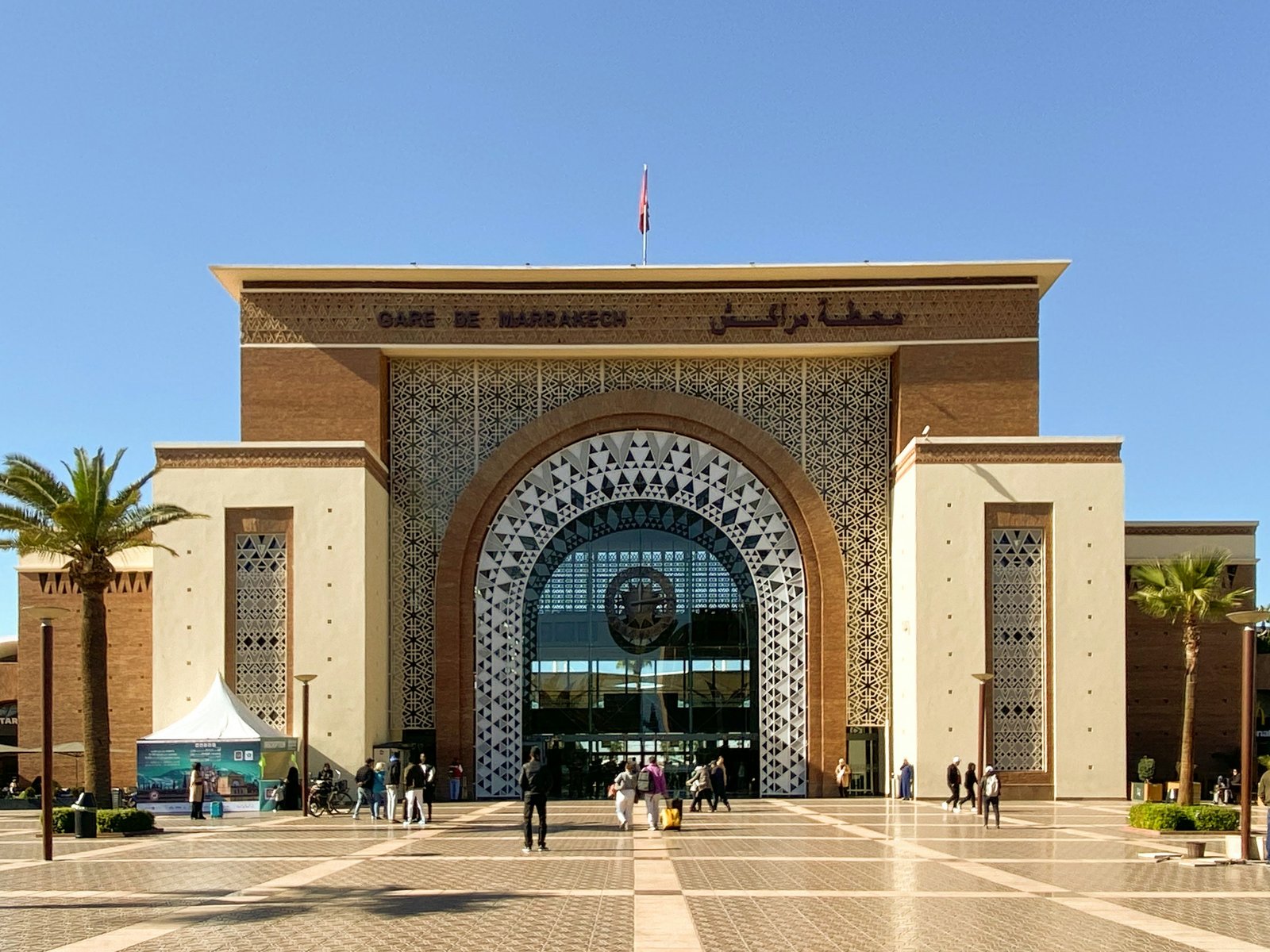
Casa-Voyageurs is the main hub for Casablanca and the departure point for Marrakech; Rabat Ville sits in the capital’s center; Marrakech station is a short taxi or walk from the medina; and Tangier Ville is the terminus for the Al Boraq. Allow extra time in large stations, as platforms can change and security checks are sometimes required.
Bring snacks and water for longer trips. While some trains have a café car, it is not guaranteed, and station kiosks may close early. Also, keep small change handy for platform vendors or taxis at your destination.
Final Thoughts
Train travel in Morocco will not get you everywhere—the Sahara, Atlas mountain villages, and southern desert towns still need buses, private transfers, or rental cars—but for the classic city-to-city itinerary, it is hard to beat.
You will arrive rested, centered, and with a better sense of the country’s geography than any flight could give you.
For the bigger picture, from visas to packing lists, see our Complete Morocco Travel Guide. And if you are deciding which cities to string together by rail, our guide to the Best Places to Visit in Morocco will help you build a route worth riding.
Keep Exploring Morocco
Ready to plan your route? Browse more destinations and things to do across the country.
What Travelers Say About Train Travel in Morocco
“Very comfortable trip from Marrakech to Casablanca. Train ran on time and no issues. Staff very helpful.”
Bookaway reviewerONCF Voyages · 4.5/5 platform rating
“Great and organized.”
Dwight W.Bookaway reviewer · ONCF Voyages · 4.5/5 platform rating
“I would give 5 stars to the train between Tanger to Casablanca and three stars for the train between Casablanca and Marrakech. AC did not work properly and temperature outside was around 42 degrees Celsius.”
Esteban A.Bookaway reviewer · ONCF Voyages · 4.5/5 platform rating
“Train was on time. However, had no baggage compartment. It was above the seats. We were travelling with big bags and it was really uncomfortable to carry the bags up and down.”
Trustpilot reviewerONCF · 1.6/5 platform rating